
What is Body Dysmorphia?
In fitness spaces, dissatisfaction is common. People want more muscle. Less fat. Better proportions. Sharper definition. Improved symmetry. Improvement goals are normal. Body dysmorphia is something different.
Lifestyle
Advanced
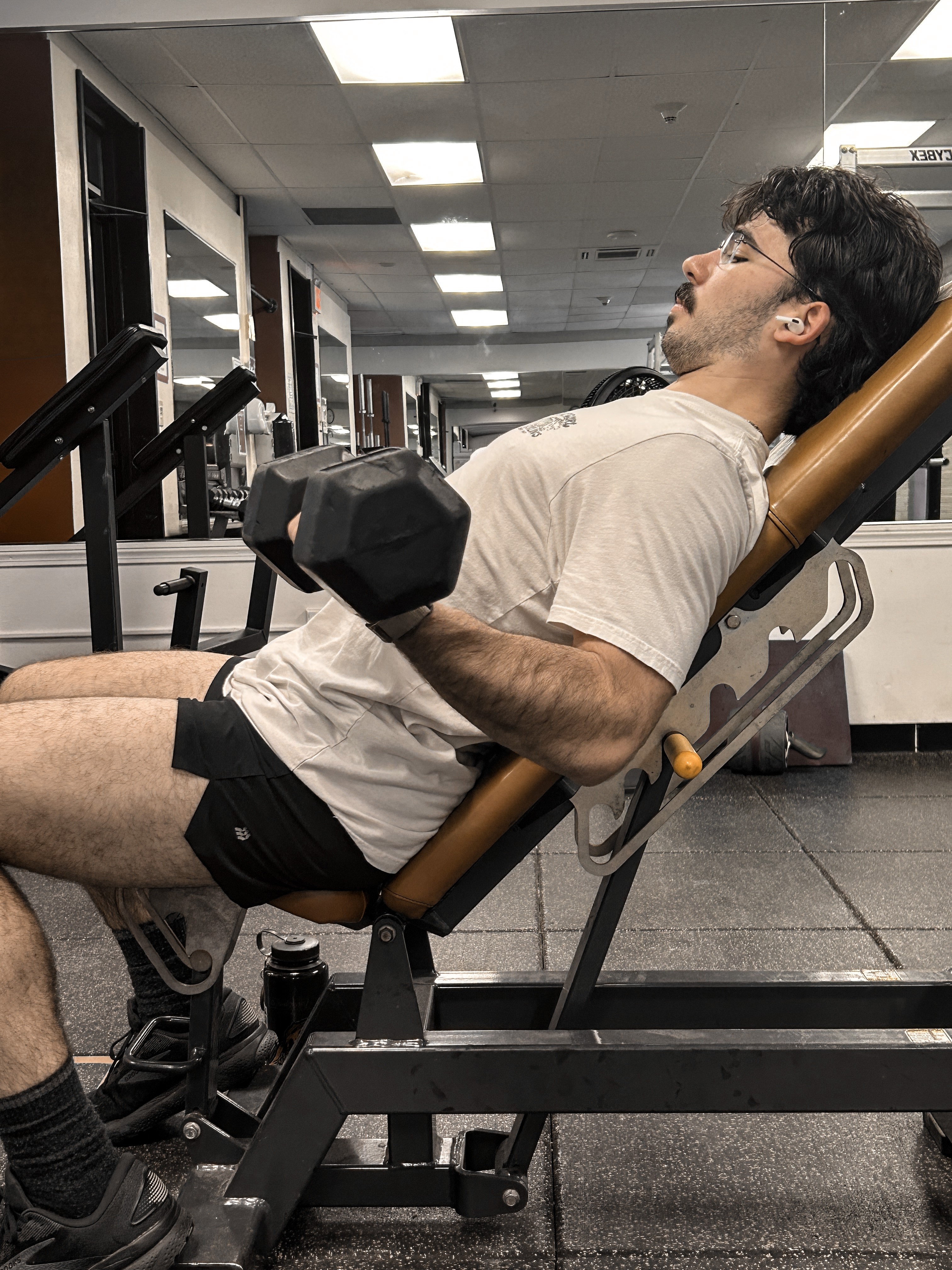

It’s not simply wanting to change your body. It’s a distorted perception of it—one that causes persistent distress and interferes with daily life. Understanding the difference matters, especially in environments where physique evaluation is routine.
Clinical Definition
Body Dysmorphic Disorder (BDD) is a mental health condition characterized by obsessive preoccupation with perceived flaws in appearance that are minor or not observable to others. According to the American Psychiatric Association and its diagnostic manual, the Diagnostic and Statistical Manual of Mental Disorders, BDD involves:
- Repetitive behaviors (mirror checking, excessive grooming, reassurance seeking)
- Significant distress or impairment in social, occupational, or other areas of functioning
- Appearance concerns that are disproportionate to objective reality
This is not occasional insecurity. It is persistent, intrusive, and functionally disruptive.
How It Differs From Normal Dissatisfaction
Most people experience moments of body dissatisfaction. That alone does not equal dysmorphia. The distinction lies in intensity, distortion, and impact. With BDD:
- The perceived flaw dominates attention.
- Reassurance provides only temporary relief.
- Social situations may be avoided.
- Training and dieting behaviors can become compulsive.
- Self-worth becomes fused to appearance.
In fitness culture, where scrutiny is normalized, these patterns can hide in plain sight.
Muscle Dysmorphia
Within strength training communities, a subtype known as muscle dysmorphia is particularly relevant. Sometimes referred to informally as “bigorexia,” muscle dysmorphia involves a persistent belief that one is insufficiently muscular or lean, even when objectively large or well-developed.
Research published in journals such as Psychiatry Research has linked muscle dysmorphia to:
- Excessive training volume
- Rigid dietary control
- Social withdrawal
- Higher rates of disordered eating patterns
- Increased risk of performance-enhancing drug use
The individual may appear disciplined from the outside. Internally, anxiety drives the behavior.
Why Fitness Spaces Increase Risk
Several factors elevate vulnerability:
- Constant comparison
- Visual metrics of success
- Public transformation culture
- Algorithm-driven exposure to extreme physiques
Social media intensifies this effect. Curated, filtered, peak-condition images distort perception of what is typical or sustainable. For someone predisposed to obsessive thinking, these environments can amplify distortion.
Warning Signs to Pay Attention To
Occasional frustration with your body is common. Concerning patterns may include:
- Spending hours daily thinking about perceived flaws
- Avoiding social events due to appearance anxiety
- Feeling unable to rest or deload without panic about losing progress
- Compulsively checking mirrors or body measurements
- Believing others constantly judge your appearance
When distress begins to dictate behavior, professional support is warranted.
The Performance vs. Perception Distinction
There is a difference between pursuing aesthetic goals and being trapped by them. You can diet strategically without tying your identity entirely to body fat percentage. You can train intensely without believing you are small at objectively high levels of muscularity. The line becomes concerning when perception disconnects from reality and anxiety drives every decision.
Treatment and Support
Body Dysmorphic Disorder is treatable. Cognitive Behavioral Therapy (CBT) has strong evidence support. Selective serotonin reuptake inhibitors (SSRIs) are sometimes used when symptoms are severe. If someone suspects BDD, evaluation by a licensed mental health professional is appropriate. Early intervention improves outcomes. Resources such as the National Alliance on Mental Illness provide guidance on accessing support.
A Healthy Fitness Identity
Fitness can build confidence, resilience, and self-respect. It can also become a mirror that never reflects “enough.”
A stable relationship with training includes:
- Goals that evolve
- Periods of maintenance
- Space for rest
- Self-worth not exclusively tied to appearance
Strength and physique development are valid pursuits. They should enhance life, not shrink it.
Takeaway
Body dysmorphia is not simple insecurity. It is a clinically recognized condition involving distorted perception, obsessive focus, and meaningful distress. In fitness communities, awareness matters. The same discipline that builds progress can mask unhealthy patterns when driven by anxiety rather than intention.
Improvement is healthy. Compulsion and distortion are not. If appearance concerns begin to dominate your thoughts or limit your life, seeking professional support is a sign of strength—not weakness.
Sources & Resources
- Guilford Press Periodicals, Journal of Social & Clinical Psychology - How Do “Body Perfect” Ideals in the Media Have a Negative Impact on Body Image and Behaviors? Factors and Processes Related to Self and Identity
- PubMed, NIH, McLean Hospital - Body dysmorphic disorder: 30 cases of imagined ugliness
- PubMed, NIH, McLean Hospital/Harvard Medical School - Muscle dysmorphia. An underrecognized form of body dysmorphic disorder
- PubMed, NIH, McLean Hospital - Mirror, mirror on the wall, who's the largest of them all? The features and phenomenology of muscle dysmorphia

What is Body Dysmorphia?
In fitness spaces, dissatisfaction is common. People want more muscle. Less fat. Better proportions. Sharper definition. Improved symmetry. Improvement goals are normal. Body dysmorphia is something different.
Lifestyle
Advanced
It’s not simply wanting to change your body. It’s a distorted perception of it—one that causes persistent distress and interferes with daily life. Understanding the difference matters, especially in environments where physique evaluation is routine.
Clinical Definition
Body Dysmorphic Disorder (BDD) is a mental health condition characterized by obsessive preoccupation with perceived flaws in appearance that are minor or not observable to others. According to the American Psychiatric Association and its diagnostic manual, the Diagnostic and Statistical Manual of Mental Disorders, BDD involves:
- Repetitive behaviors (mirror checking, excessive grooming, reassurance seeking)
- Significant distress or impairment in social, occupational, or other areas of functioning
- Appearance concerns that are disproportionate to objective reality
This is not occasional insecurity. It is persistent, intrusive, and functionally disruptive.
How It Differs From Normal Dissatisfaction
Most people experience moments of body dissatisfaction. That alone does not equal dysmorphia. The distinction lies in intensity, distortion, and impact. With BDD:
- The perceived flaw dominates attention.
- Reassurance provides only temporary relief.
- Social situations may be avoided.
- Training and dieting behaviors can become compulsive.
- Self-worth becomes fused to appearance.
In fitness culture, where scrutiny is normalized, these patterns can hide in plain sight.
Muscle Dysmorphia
Within strength training communities, a subtype known as muscle dysmorphia is particularly relevant. Sometimes referred to informally as “bigorexia,” muscle dysmorphia involves a persistent belief that one is insufficiently muscular or lean, even when objectively large or well-developed.
Research published in journals such as Psychiatry Research has linked muscle dysmorphia to:
- Excessive training volume
- Rigid dietary control
- Social withdrawal
- Higher rates of disordered eating patterns
- Increased risk of performance-enhancing drug use
The individual may appear disciplined from the outside. Internally, anxiety drives the behavior.
Why Fitness Spaces Increase Risk
Several factors elevate vulnerability:
- Constant comparison
- Visual metrics of success
- Public transformation culture
- Algorithm-driven exposure to extreme physiques
Social media intensifies this effect. Curated, filtered, peak-condition images distort perception of what is typical or sustainable. For someone predisposed to obsessive thinking, these environments can amplify distortion.
Warning Signs to Pay Attention To
Occasional frustration with your body is common. Concerning patterns may include:
- Spending hours daily thinking about perceived flaws
- Avoiding social events due to appearance anxiety
- Feeling unable to rest or deload without panic about losing progress
- Compulsively checking mirrors or body measurements
- Believing others constantly judge your appearance
When distress begins to dictate behavior, professional support is warranted.
The Performance vs. Perception Distinction
There is a difference between pursuing aesthetic goals and being trapped by them. You can diet strategically without tying your identity entirely to body fat percentage. You can train intensely without believing you are small at objectively high levels of muscularity. The line becomes concerning when perception disconnects from reality and anxiety drives every decision.
Treatment and Support
Body Dysmorphic Disorder is treatable. Cognitive Behavioral Therapy (CBT) has strong evidence support. Selective serotonin reuptake inhibitors (SSRIs) are sometimes used when symptoms are severe. If someone suspects BDD, evaluation by a licensed mental health professional is appropriate. Early intervention improves outcomes. Resources such as the National Alliance on Mental Illness provide guidance on accessing support.
A Healthy Fitness Identity
Fitness can build confidence, resilience, and self-respect. It can also become a mirror that never reflects “enough.”
A stable relationship with training includes:
- Goals that evolve
- Periods of maintenance
- Space for rest
- Self-worth not exclusively tied to appearance
Strength and physique development are valid pursuits. They should enhance life, not shrink it.
Takeaway
Body dysmorphia is not simple insecurity. It is a clinically recognized condition involving distorted perception, obsessive focus, and meaningful distress. In fitness communities, awareness matters. The same discipline that builds progress can mask unhealthy patterns when driven by anxiety rather than intention.
Improvement is healthy. Compulsion and distortion are not. If appearance concerns begin to dominate your thoughts or limit your life, seeking professional support is a sign of strength—not weakness.
Sources & Resources
- Guilford Press Periodicals, Journal of Social & Clinical Psychology - How Do “Body Perfect” Ideals in the Media Have a Negative Impact on Body Image and Behaviors? Factors and Processes Related to Self and Identity
- PubMed, NIH, McLean Hospital - Body dysmorphic disorder: 30 cases of imagined ugliness
- PubMed, NIH, McLean Hospital/Harvard Medical School - Muscle dysmorphia. An underrecognized form of body dysmorphic disorder
- PubMed, NIH, McLean Hospital - Mirror, mirror on the wall, who's the largest of them all? The features and phenomenology of muscle dysmorphia

What is Body Dysmorphia?
In fitness spaces, dissatisfaction is common. People want more muscle. Less fat. Better proportions. Sharper definition. Improved symmetry. Improvement goals are normal. Body dysmorphia is something different.
Lifestyle
Advanced
It’s not simply wanting to change your body. It’s a distorted perception of it—one that causes persistent distress and interferes with daily life. Understanding the difference matters, especially in environments where physique evaluation is routine.
Clinical Definition
Body Dysmorphic Disorder (BDD) is a mental health condition characterized by obsessive preoccupation with perceived flaws in appearance that are minor or not observable to others. According to the American Psychiatric Association and its diagnostic manual, the Diagnostic and Statistical Manual of Mental Disorders, BDD involves:
- Repetitive behaviors (mirror checking, excessive grooming, reassurance seeking)
- Significant distress or impairment in social, occupational, or other areas of functioning
- Appearance concerns that are disproportionate to objective reality
This is not occasional insecurity. It is persistent, intrusive, and functionally disruptive.
How It Differs From Normal Dissatisfaction
Most people experience moments of body dissatisfaction. That alone does not equal dysmorphia. The distinction lies in intensity, distortion, and impact. With BDD:
- The perceived flaw dominates attention.
- Reassurance provides only temporary relief.
- Social situations may be avoided.
- Training and dieting behaviors can become compulsive.
- Self-worth becomes fused to appearance.
In fitness culture, where scrutiny is normalized, these patterns can hide in plain sight.
Muscle Dysmorphia
Within strength training communities, a subtype known as muscle dysmorphia is particularly relevant. Sometimes referred to informally as “bigorexia,” muscle dysmorphia involves a persistent belief that one is insufficiently muscular or lean, even when objectively large or well-developed.
Research published in journals such as Psychiatry Research has linked muscle dysmorphia to:
- Excessive training volume
- Rigid dietary control
- Social withdrawal
- Higher rates of disordered eating patterns
- Increased risk of performance-enhancing drug use
The individual may appear disciplined from the outside. Internally, anxiety drives the behavior.
Why Fitness Spaces Increase Risk
Several factors elevate vulnerability:
- Constant comparison
- Visual metrics of success
- Public transformation culture
- Algorithm-driven exposure to extreme physiques
Social media intensifies this effect. Curated, filtered, peak-condition images distort perception of what is typical or sustainable. For someone predisposed to obsessive thinking, these environments can amplify distortion.
Warning Signs to Pay Attention To
Occasional frustration with your body is common. Concerning patterns may include:
- Spending hours daily thinking about perceived flaws
- Avoiding social events due to appearance anxiety
- Feeling unable to rest or deload without panic about losing progress
- Compulsively checking mirrors or body measurements
- Believing others constantly judge your appearance
When distress begins to dictate behavior, professional support is warranted.
The Performance vs. Perception Distinction
There is a difference between pursuing aesthetic goals and being trapped by them. You can diet strategically without tying your identity entirely to body fat percentage. You can train intensely without believing you are small at objectively high levels of muscularity. The line becomes concerning when perception disconnects from reality and anxiety drives every decision.
Treatment and Support
Body Dysmorphic Disorder is treatable. Cognitive Behavioral Therapy (CBT) has strong evidence support. Selective serotonin reuptake inhibitors (SSRIs) are sometimes used when symptoms are severe. If someone suspects BDD, evaluation by a licensed mental health professional is appropriate. Early intervention improves outcomes. Resources such as the National Alliance on Mental Illness provide guidance on accessing support.
A Healthy Fitness Identity
Fitness can build confidence, resilience, and self-respect. It can also become a mirror that never reflects “enough.”
A stable relationship with training includes:
- Goals that evolve
- Periods of maintenance
- Space for rest
- Self-worth not exclusively tied to appearance
Strength and physique development are valid pursuits. They should enhance life, not shrink it.
Takeaway
Body dysmorphia is not simple insecurity. It is a clinically recognized condition involving distorted perception, obsessive focus, and meaningful distress. In fitness communities, awareness matters. The same discipline that builds progress can mask unhealthy patterns when driven by anxiety rather than intention.
Improvement is healthy. Compulsion and distortion are not. If appearance concerns begin to dominate your thoughts or limit your life, seeking professional support is a sign of strength—not weakness.
Sources & Resources
- Guilford Press Periodicals, Journal of Social & Clinical Psychology - How Do “Body Perfect” Ideals in the Media Have a Negative Impact on Body Image and Behaviors? Factors and Processes Related to Self and Identity
- PubMed, NIH, McLean Hospital - Body dysmorphic disorder: 30 cases of imagined ugliness
- PubMed, NIH, McLean Hospital/Harvard Medical School - Muscle dysmorphia. An underrecognized form of body dysmorphic disorder
- PubMed, NIH, McLean Hospital - Mirror, mirror on the wall, who's the largest of them all? The features and phenomenology of muscle dysmorphia

Placeholder Title
Placeholder Subtitle
Lifestyle
Advanced
It’s not simply wanting to change your body. It’s a distorted perception of it—one that causes persistent distress and interferes with daily life. Understanding the difference matters, especially in environments where physique evaluation is routine.
Clinical Definition
Body Dysmorphic Disorder (BDD) is a mental health condition characterized by obsessive preoccupation with perceived flaws in appearance that are minor or not observable to others. According to the American Psychiatric Association and its diagnostic manual, the Diagnostic and Statistical Manual of Mental Disorders, BDD involves:
- Repetitive behaviors (mirror checking, excessive grooming, reassurance seeking)
- Significant distress or impairment in social, occupational, or other areas of functioning
- Appearance concerns that are disproportionate to objective reality
This is not occasional insecurity. It is persistent, intrusive, and functionally disruptive.
How It Differs From Normal Dissatisfaction
Most people experience moments of body dissatisfaction. That alone does not equal dysmorphia. The distinction lies in intensity, distortion, and impact. With BDD:
- The perceived flaw dominates attention.
- Reassurance provides only temporary relief.
- Social situations may be avoided.
- Training and dieting behaviors can become compulsive.
- Self-worth becomes fused to appearance.
In fitness culture, where scrutiny is normalized, these patterns can hide in plain sight.
Muscle Dysmorphia
Within strength training communities, a subtype known as muscle dysmorphia is particularly relevant. Sometimes referred to informally as “bigorexia,” muscle dysmorphia involves a persistent belief that one is insufficiently muscular or lean, even when objectively large or well-developed.
Research published in journals such as Psychiatry Research has linked muscle dysmorphia to:
- Excessive training volume
- Rigid dietary control
- Social withdrawal
- Higher rates of disordered eating patterns
- Increased risk of performance-enhancing drug use
The individual may appear disciplined from the outside. Internally, anxiety drives the behavior.
Why Fitness Spaces Increase Risk
Several factors elevate vulnerability:
- Constant comparison
- Visual metrics of success
- Public transformation culture
- Algorithm-driven exposure to extreme physiques
Social media intensifies this effect. Curated, filtered, peak-condition images distort perception of what is typical or sustainable. For someone predisposed to obsessive thinking, these environments can amplify distortion.
Warning Signs to Pay Attention To
Occasional frustration with your body is common. Concerning patterns may include:
- Spending hours daily thinking about perceived flaws
- Avoiding social events due to appearance anxiety
- Feeling unable to rest or deload without panic about losing progress
- Compulsively checking mirrors or body measurements
- Believing others constantly judge your appearance
When distress begins to dictate behavior, professional support is warranted.
The Performance vs. Perception Distinction
There is a difference between pursuing aesthetic goals and being trapped by them. You can diet strategically without tying your identity entirely to body fat percentage. You can train intensely without believing you are small at objectively high levels of muscularity. The line becomes concerning when perception disconnects from reality and anxiety drives every decision.
Treatment and Support
Body Dysmorphic Disorder is treatable. Cognitive Behavioral Therapy (CBT) has strong evidence support. Selective serotonin reuptake inhibitors (SSRIs) are sometimes used when symptoms are severe. If someone suspects BDD, evaluation by a licensed mental health professional is appropriate. Early intervention improves outcomes. Resources such as the National Alliance on Mental Illness provide guidance on accessing support.
A Healthy Fitness Identity
Fitness can build confidence, resilience, and self-respect. It can also become a mirror that never reflects “enough.”
A stable relationship with training includes:
- Goals that evolve
- Periods of maintenance
- Space for rest
- Self-worth not exclusively tied to appearance
Strength and physique development are valid pursuits. They should enhance life, not shrink it.
Takeaway
Body dysmorphia is not simple insecurity. It is a clinically recognized condition involving distorted perception, obsessive focus, and meaningful distress. In fitness communities, awareness matters. The same discipline that builds progress can mask unhealthy patterns when driven by anxiety rather than intention.
Improvement is healthy. Compulsion and distortion are not. If appearance concerns begin to dominate your thoughts or limit your life, seeking professional support is a sign of strength—not weakness.
Sources & Resources
- Guilford Press Periodicals, Journal of Social & Clinical Psychology - How Do “Body Perfect” Ideals in the Media Have a Negative Impact on Body Image and Behaviors? Factors and Processes Related to Self and Identity
- PubMed, NIH, McLean Hospital - Body dysmorphic disorder: 30 cases of imagined ugliness
- PubMed, NIH, McLean Hospital/Harvard Medical School - Muscle dysmorphia. An underrecognized form of body dysmorphic disorder
- PubMed, NIH, McLean Hospital - Mirror, mirror on the wall, who's the largest of them all? The features and phenomenology of muscle dysmorphia