
I’m Under 15 — Is it Too Early for Me to Hit the Gym?
For most kids and early teens, the issue isn’t whether they can train. It’s how they should train.
Lifestyle
Beginner
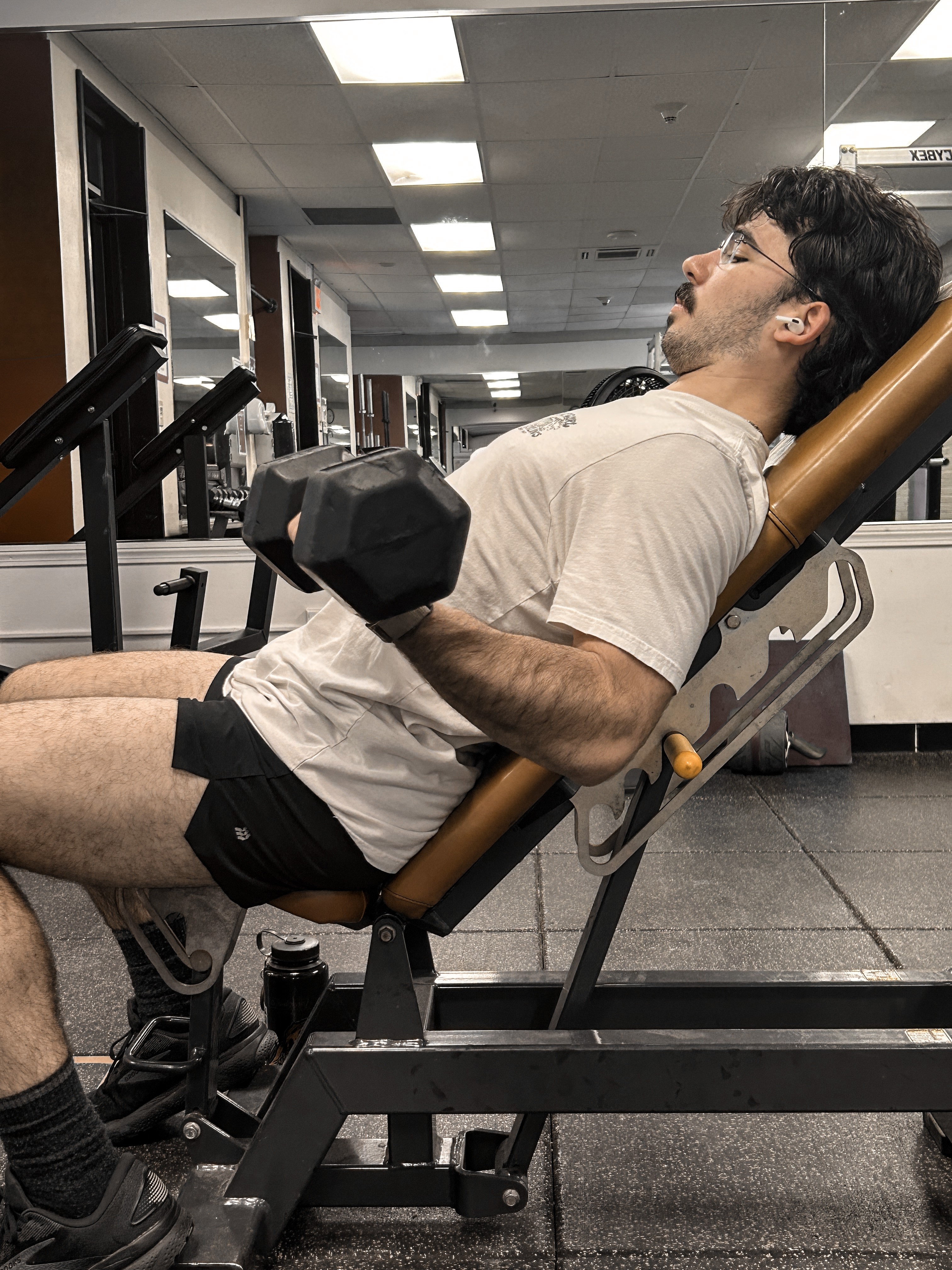

This question usually comes from two places; a teenager who wants to get bigger or leaner, or a parent who’s unsure whether strength training is safe. For years, the dominant belief was that lifting weights could “stunt growth” or damage developing bones. That concern was understandable—but modern research does not support it when training is properly supervised and age-appropriate.
What the Research Says
Major professional organizations support youth resistance training when it is properly designed and supervised. The American Academy of Pediatrics states that strength training can be safe and beneficial for children and adolescents when guided by qualified adults. Similarly, the National Strength and Conditioning Association (NSCA) position statement on youth resistance training concludes that properly supervised programs can:
- Increase muscular strength
- Improve motor skill performance
- Reduce sports-related injury risk
- Support bone health
Research reviews published in journals such as British Journal of Sports Medicine and Pediatrics consistently show that injury rates in youth resistance training are low—lower than in sport—when technique and supervision are prioritized. The key variable is supervision, not age alone.
Does Lifting Stunt Growth?
The fear around growth plates comes from the fact that children’s bones are still developing. Severe trauma can injure growth plates. Poorly supervised maximal lifting or unsupervised gym environments increase risk. But structured, progressive resistance training with appropriate loads has not been shown to impair linear growth. In fact, weight-bearing activity supports bone development. The larger risk often comes from unstructured sport participation without strength preparation, where repetitive stress and contact injuries are more common.
What Strength Training Should Look Like Under 15
For pre-teens and early teens, training priorities differ from adult hypertrophy goals. The focus should be:
- Learning movement patterns
- Building coordination
- Developing body awareness
- Gradually increasing strength
- Keeping sessions engaging
This often means:
- Bodyweight exercises
- Light dumbbells or kettlebells
- Medicine balls
- Resistance bands
- Basic barbell technique introduced gradually
Maximal lifting and aggressive bulking strategies are unnecessary and potentially risky at this stage. Skill development comes first.
Puberty Changes the Landscape
An extremely important point for kids to understand; the gains that many kids see in older siblings or adults are extremely unlikely before puberty. Before puberty, strength gains come primarily from neurological adaptations—improved coordination and motor unit recruitment. After puberty begins, hormonal changes allow for more significant muscle hypertrophy. This means younger athletes can get much stronger without dramatic increases in muscle size. That’s normal. As teens mature, programming can gradually resemble adult models—with careful progression.
What About Conditioning and Sports?
For many under 15, sport participation already provides conditioning. This should be the primary way that kids get and stay fit. Strength training should complement sport, not compete with it. If a teen plays soccer, basketball, tennis, or swims competitively, two to three structured strength sessions per week are usually sufficient, if desired—far from necessary. The goal is resilience, not exhaustion. Overtraining at this age often comes from stacking multiple intense activities without adequate recovery.
Psychological Considerations
Early exposure to gym culture requires thoughtful framing. Strength training should build confidence and competence—not body obsession. Avoid emphasizing aesthetics. Focus on performance, health, and skill. Social media comparison can distort expectations. Young athletes benefit from clear messaging: progress takes time, and development unfolds in phases.
When to Be Cautious
Strength training may need medical clearance if a child has:
- Uncontrolled hypertension
- Certain cardiac conditions
- Unhealed fractures
- Significant joint instability
Otherwise, with supervision and sensible programming, training is generally appropriate.
A Simple Guideline
If a child is mature enough to follow instructions, focus on technique, and respect structure, they are likely mature enough to begin structured strength training. Age alone is not the deciding factor, but readiness and supervision are.
Takeaway
No, it’s not too early—if training is supervised, progressive, and age-appropriate. Under 15, the goal is not maximizing muscle size; it’s building coordination, strength, resilience, and confidence. Properly designed youth resistance training is safe and beneficial, and it can reduce injury risk in sport. The gym is not a shortcut to adulthood, it’s is a tool for developing physical literacy that can last a lifetime.
Sources & Resources
- PubMed, NIH, The College of New Jersey - Youth resistance training: updated position statement paper from the national strength and conditioning association
- PubMed, NIH, American Academy of Pediatrics Council on Sports Medicine and Fitness - Strength training by children and adolescents
- PubMed, NIH, Bispebjerg Hospital - The effectiveness of exercise interventions to prevent sports injuries: a systematic review and meta-analysis of randomised controlled trials
- PubMed, NIH, The College of New Jersey, Cincinnati Children’s Hospital Medical Center, Sports Medicine Biodynamics Center and Human Performance Laboratory, Rocky Mountain University of Health Professions - Resistance training among young athletes: safety, efficacy and injury prevention effects
- PubMed, NIH, Universidad Politécnica de Madrid - Influence of Strength Training Variables on Neuromuscular and Morphological Adaptations in Prepubertal Children: A Systematic Review
- PubMed, NIH, Cincinnati Children's Hospital Medical Center, University of Cincinnati, The College of New Jersey, The Ohio State University, The University of South Dakota - When to initiate integrative neuromuscular training to reduce sports-related injuries in youth?
- British Journal of Sports Medicine, University of Calgary - Best practices for the dissemination and implementation of neuromuscular training injury prevention warm-ups in youth team sport: a systematic review

I’m Under 15 — Is it Too Early for Me to Hit the Gym?
For most kids and early teens, the issue isn’t whether they can train. It’s how they should train.
Lifestyle
Beginner
This question usually comes from two places; a teenager who wants to get bigger or leaner, or a parent who’s unsure whether strength training is safe. For years, the dominant belief was that lifting weights could “stunt growth” or damage developing bones. That concern was understandable—but modern research does not support it when training is properly supervised and age-appropriate.
What the Research Says
Major professional organizations support youth resistance training when it is properly designed and supervised. The American Academy of Pediatrics states that strength training can be safe and beneficial for children and adolescents when guided by qualified adults. Similarly, the National Strength and Conditioning Association (NSCA) position statement on youth resistance training concludes that properly supervised programs can:
- Increase muscular strength
- Improve motor skill performance
- Reduce sports-related injury risk
- Support bone health
Research reviews published in journals such as British Journal of Sports Medicine and Pediatrics consistently show that injury rates in youth resistance training are low—lower than in sport—when technique and supervision are prioritized. The key variable is supervision, not age alone.
Does Lifting Stunt Growth?
The fear around growth plates comes from the fact that children’s bones are still developing. Severe trauma can injure growth plates. Poorly supervised maximal lifting or unsupervised gym environments increase risk. But structured, progressive resistance training with appropriate loads has not been shown to impair linear growth. In fact, weight-bearing activity supports bone development. The larger risk often comes from unstructured sport participation without strength preparation, where repetitive stress and contact injuries are more common.
What Strength Training Should Look Like Under 15
For pre-teens and early teens, training priorities differ from adult hypertrophy goals. The focus should be:
- Learning movement patterns
- Building coordination
- Developing body awareness
- Gradually increasing strength
- Keeping sessions engaging
This often means:
- Bodyweight exercises
- Light dumbbells or kettlebells
- Medicine balls
- Resistance bands
- Basic barbell technique introduced gradually
Maximal lifting and aggressive bulking strategies are unnecessary and potentially risky at this stage. Skill development comes first.
Puberty Changes the Landscape
An extremely important point for kids to understand; the gains that many kids see in older siblings or adults are extremely unlikely before puberty. Before puberty, strength gains come primarily from neurological adaptations—improved coordination and motor unit recruitment. After puberty begins, hormonal changes allow for more significant muscle hypertrophy. This means younger athletes can get much stronger without dramatic increases in muscle size. That’s normal. As teens mature, programming can gradually resemble adult models—with careful progression.
What About Conditioning and Sports?
For many under 15, sport participation already provides conditioning. This should be the primary way that kids get and stay fit. Strength training should complement sport, not compete with it. If a teen plays soccer, basketball, tennis, or swims competitively, two to three structured strength sessions per week are usually sufficient, if desired—far from necessary. The goal is resilience, not exhaustion. Overtraining at this age often comes from stacking multiple intense activities without adequate recovery.
Psychological Considerations
Early exposure to gym culture requires thoughtful framing. Strength training should build confidence and competence—not body obsession. Avoid emphasizing aesthetics. Focus on performance, health, and skill. Social media comparison can distort expectations. Young athletes benefit from clear messaging: progress takes time, and development unfolds in phases.
When to Be Cautious
Strength training may need medical clearance if a child has:
- Uncontrolled hypertension
- Certain cardiac conditions
- Unhealed fractures
- Significant joint instability
Otherwise, with supervision and sensible programming, training is generally appropriate.
A Simple Guideline
If a child is mature enough to follow instructions, focus on technique, and respect structure, they are likely mature enough to begin structured strength training. Age alone is not the deciding factor, but readiness and supervision are.
Takeaway
No, it’s not too early—if training is supervised, progressive, and age-appropriate. Under 15, the goal is not maximizing muscle size; it’s building coordination, strength, resilience, and confidence. Properly designed youth resistance training is safe and beneficial, and it can reduce injury risk in sport. The gym is not a shortcut to adulthood, it’s is a tool for developing physical literacy that can last a lifetime.
Sources & Resources
- PubMed, NIH, The College of New Jersey - Youth resistance training: updated position statement paper from the national strength and conditioning association
- PubMed, NIH, American Academy of Pediatrics Council on Sports Medicine and Fitness - Strength training by children and adolescents
- PubMed, NIH, Bispebjerg Hospital - The effectiveness of exercise interventions to prevent sports injuries: a systematic review and meta-analysis of randomised controlled trials
- PubMed, NIH, The College of New Jersey, Cincinnati Children’s Hospital Medical Center, Sports Medicine Biodynamics Center and Human Performance Laboratory, Rocky Mountain University of Health Professions - Resistance training among young athletes: safety, efficacy and injury prevention effects
- PubMed, NIH, Universidad Politécnica de Madrid - Influence of Strength Training Variables on Neuromuscular and Morphological Adaptations in Prepubertal Children: A Systematic Review
- PubMed, NIH, Cincinnati Children's Hospital Medical Center, University of Cincinnati, The College of New Jersey, The Ohio State University, The University of South Dakota - When to initiate integrative neuromuscular training to reduce sports-related injuries in youth?
- British Journal of Sports Medicine, University of Calgary - Best practices for the dissemination and implementation of neuromuscular training injury prevention warm-ups in youth team sport: a systematic review

I’m Under 15 — Is it Too Early for Me to Hit the Gym?
For most kids and early teens, the issue isn’t whether they can train. It’s how they should train.
Lifestyle
Beginner
This question usually comes from two places; a teenager who wants to get bigger or leaner, or a parent who’s unsure whether strength training is safe. For years, the dominant belief was that lifting weights could “stunt growth” or damage developing bones. That concern was understandable—but modern research does not support it when training is properly supervised and age-appropriate.
What the Research Says
Major professional organizations support youth resistance training when it is properly designed and supervised. The American Academy of Pediatrics states that strength training can be safe and beneficial for children and adolescents when guided by qualified adults. Similarly, the National Strength and Conditioning Association (NSCA) position statement on youth resistance training concludes that properly supervised programs can:
- Increase muscular strength
- Improve motor skill performance
- Reduce sports-related injury risk
- Support bone health
Research reviews published in journals such as British Journal of Sports Medicine and Pediatrics consistently show that injury rates in youth resistance training are low—lower than in sport—when technique and supervision are prioritized. The key variable is supervision, not age alone.
Does Lifting Stunt Growth?
The fear around growth plates comes from the fact that children’s bones are still developing. Severe trauma can injure growth plates. Poorly supervised maximal lifting or unsupervised gym environments increase risk. But structured, progressive resistance training with appropriate loads has not been shown to impair linear growth. In fact, weight-bearing activity supports bone development. The larger risk often comes from unstructured sport participation without strength preparation, where repetitive stress and contact injuries are more common.
What Strength Training Should Look Like Under 15
For pre-teens and early teens, training priorities differ from adult hypertrophy goals. The focus should be:
- Learning movement patterns
- Building coordination
- Developing body awareness
- Gradually increasing strength
- Keeping sessions engaging
This often means:
- Bodyweight exercises
- Light dumbbells or kettlebells
- Medicine balls
- Resistance bands
- Basic barbell technique introduced gradually
Maximal lifting and aggressive bulking strategies are unnecessary and potentially risky at this stage. Skill development comes first.
Puberty Changes the Landscape
An extremely important point for kids to understand; the gains that many kids see in older siblings or adults are extremely unlikely before puberty. Before puberty, strength gains come primarily from neurological adaptations—improved coordination and motor unit recruitment. After puberty begins, hormonal changes allow for more significant muscle hypertrophy. This means younger athletes can get much stronger without dramatic increases in muscle size. That’s normal. As teens mature, programming can gradually resemble adult models—with careful progression.
What About Conditioning and Sports?
For many under 15, sport participation already provides conditioning. This should be the primary way that kids get and stay fit. Strength training should complement sport, not compete with it. If a teen plays soccer, basketball, tennis, or swims competitively, two to three structured strength sessions per week are usually sufficient, if desired—far from necessary. The goal is resilience, not exhaustion. Overtraining at this age often comes from stacking multiple intense activities without adequate recovery.
Psychological Considerations
Early exposure to gym culture requires thoughtful framing. Strength training should build confidence and competence—not body obsession. Avoid emphasizing aesthetics. Focus on performance, health, and skill. Social media comparison can distort expectations. Young athletes benefit from clear messaging: progress takes time, and development unfolds in phases.
When to Be Cautious
Strength training may need medical clearance if a child has:
- Uncontrolled hypertension
- Certain cardiac conditions
- Unhealed fractures
- Significant joint instability
Otherwise, with supervision and sensible programming, training is generally appropriate.
A Simple Guideline
If a child is mature enough to follow instructions, focus on technique, and respect structure, they are likely mature enough to begin structured strength training. Age alone is not the deciding factor, but readiness and supervision are.
Takeaway
No, it’s not too early—if training is supervised, progressive, and age-appropriate. Under 15, the goal is not maximizing muscle size; it’s building coordination, strength, resilience, and confidence. Properly designed youth resistance training is safe and beneficial, and it can reduce injury risk in sport. The gym is not a shortcut to adulthood, it’s is a tool for developing physical literacy that can last a lifetime.
Sources & Resources
- PubMed, NIH, The College of New Jersey - Youth resistance training: updated position statement paper from the national strength and conditioning association
- PubMed, NIH, American Academy of Pediatrics Council on Sports Medicine and Fitness - Strength training by children and adolescents
- PubMed, NIH, Bispebjerg Hospital - The effectiveness of exercise interventions to prevent sports injuries: a systematic review and meta-analysis of randomised controlled trials
- PubMed, NIH, The College of New Jersey, Cincinnati Children’s Hospital Medical Center, Sports Medicine Biodynamics Center and Human Performance Laboratory, Rocky Mountain University of Health Professions - Resistance training among young athletes: safety, efficacy and injury prevention effects
- PubMed, NIH, Universidad Politécnica de Madrid - Influence of Strength Training Variables on Neuromuscular and Morphological Adaptations in Prepubertal Children: A Systematic Review
- PubMed, NIH, Cincinnati Children's Hospital Medical Center, University of Cincinnati, The College of New Jersey, The Ohio State University, The University of South Dakota - When to initiate integrative neuromuscular training to reduce sports-related injuries in youth?
- British Journal of Sports Medicine, University of Calgary - Best practices for the dissemination and implementation of neuromuscular training injury prevention warm-ups in youth team sport: a systematic review

Placeholder Title
Placeholder Subtitle
Lifestyle
Beginner
This question usually comes from two places; a teenager who wants to get bigger or leaner, or a parent who’s unsure whether strength training is safe. For years, the dominant belief was that lifting weights could “stunt growth” or damage developing bones. That concern was understandable—but modern research does not support it when training is properly supervised and age-appropriate.
What the Research Says
Major professional organizations support youth resistance training when it is properly designed and supervised. The American Academy of Pediatrics states that strength training can be safe and beneficial for children and adolescents when guided by qualified adults. Similarly, the National Strength and Conditioning Association (NSCA) position statement on youth resistance training concludes that properly supervised programs can:
- Increase muscular strength
- Improve motor skill performance
- Reduce sports-related injury risk
- Support bone health
Research reviews published in journals such as British Journal of Sports Medicine and Pediatrics consistently show that injury rates in youth resistance training are low—lower than in sport—when technique and supervision are prioritized. The key variable is supervision, not age alone.
Does Lifting Stunt Growth?
The fear around growth plates comes from the fact that children’s bones are still developing. Severe trauma can injure growth plates. Poorly supervised maximal lifting or unsupervised gym environments increase risk. But structured, progressive resistance training with appropriate loads has not been shown to impair linear growth. In fact, weight-bearing activity supports bone development. The larger risk often comes from unstructured sport participation without strength preparation, where repetitive stress and contact injuries are more common.
What Strength Training Should Look Like Under 15
For pre-teens and early teens, training priorities differ from adult hypertrophy goals. The focus should be:
- Learning movement patterns
- Building coordination
- Developing body awareness
- Gradually increasing strength
- Keeping sessions engaging
This often means:
- Bodyweight exercises
- Light dumbbells or kettlebells
- Medicine balls
- Resistance bands
- Basic barbell technique introduced gradually
Maximal lifting and aggressive bulking strategies are unnecessary and potentially risky at this stage. Skill development comes first.
Puberty Changes the Landscape
An extremely important point for kids to understand; the gains that many kids see in older siblings or adults are extremely unlikely before puberty. Before puberty, strength gains come primarily from neurological adaptations—improved coordination and motor unit recruitment. After puberty begins, hormonal changes allow for more significant muscle hypertrophy. This means younger athletes can get much stronger without dramatic increases in muscle size. That’s normal. As teens mature, programming can gradually resemble adult models—with careful progression.
What About Conditioning and Sports?
For many under 15, sport participation already provides conditioning. This should be the primary way that kids get and stay fit. Strength training should complement sport, not compete with it. If a teen plays soccer, basketball, tennis, or swims competitively, two to three structured strength sessions per week are usually sufficient, if desired—far from necessary. The goal is resilience, not exhaustion. Overtraining at this age often comes from stacking multiple intense activities without adequate recovery.
Psychological Considerations
Early exposure to gym culture requires thoughtful framing. Strength training should build confidence and competence—not body obsession. Avoid emphasizing aesthetics. Focus on performance, health, and skill. Social media comparison can distort expectations. Young athletes benefit from clear messaging: progress takes time, and development unfolds in phases.
When to Be Cautious
Strength training may need medical clearance if a child has:
- Uncontrolled hypertension
- Certain cardiac conditions
- Unhealed fractures
- Significant joint instability
Otherwise, with supervision and sensible programming, training is generally appropriate.
A Simple Guideline
If a child is mature enough to follow instructions, focus on technique, and respect structure, they are likely mature enough to begin structured strength training. Age alone is not the deciding factor, but readiness and supervision are.
Takeaway
No, it’s not too early—if training is supervised, progressive, and age-appropriate. Under 15, the goal is not maximizing muscle size; it’s building coordination, strength, resilience, and confidence. Properly designed youth resistance training is safe and beneficial, and it can reduce injury risk in sport. The gym is not a shortcut to adulthood, it’s is a tool for developing physical literacy that can last a lifetime.
Sources & Resources
- PubMed, NIH, The College of New Jersey - Youth resistance training: updated position statement paper from the national strength and conditioning association
- PubMed, NIH, American Academy of Pediatrics Council on Sports Medicine and Fitness - Strength training by children and adolescents
- PubMed, NIH, Bispebjerg Hospital - The effectiveness of exercise interventions to prevent sports injuries: a systematic review and meta-analysis of randomised controlled trials
- PubMed, NIH, The College of New Jersey, Cincinnati Children’s Hospital Medical Center, Sports Medicine Biodynamics Center and Human Performance Laboratory, Rocky Mountain University of Health Professions - Resistance training among young athletes: safety, efficacy and injury prevention effects
- PubMed, NIH, Universidad Politécnica de Madrid - Influence of Strength Training Variables on Neuromuscular and Morphological Adaptations in Prepubertal Children: A Systematic Review
- PubMed, NIH, Cincinnati Children's Hospital Medical Center, University of Cincinnati, The College of New Jersey, The Ohio State University, The University of South Dakota - When to initiate integrative neuromuscular training to reduce sports-related injuries in youth?
- British Journal of Sports Medicine, University of Calgary - Best practices for the dissemination and implementation of neuromuscular training injury prevention warm-ups in youth team sport: a systematic review