
I’m Over 70 — Is it Too Late for Me to Hit the Gym?
This question usually carries more than curiosity. It carries hesitation, concern about injury,, uncertainty about where to start, a quiet worry that the window has closed. Spoiler: it hasn’t.
Lifestyle
Beginner
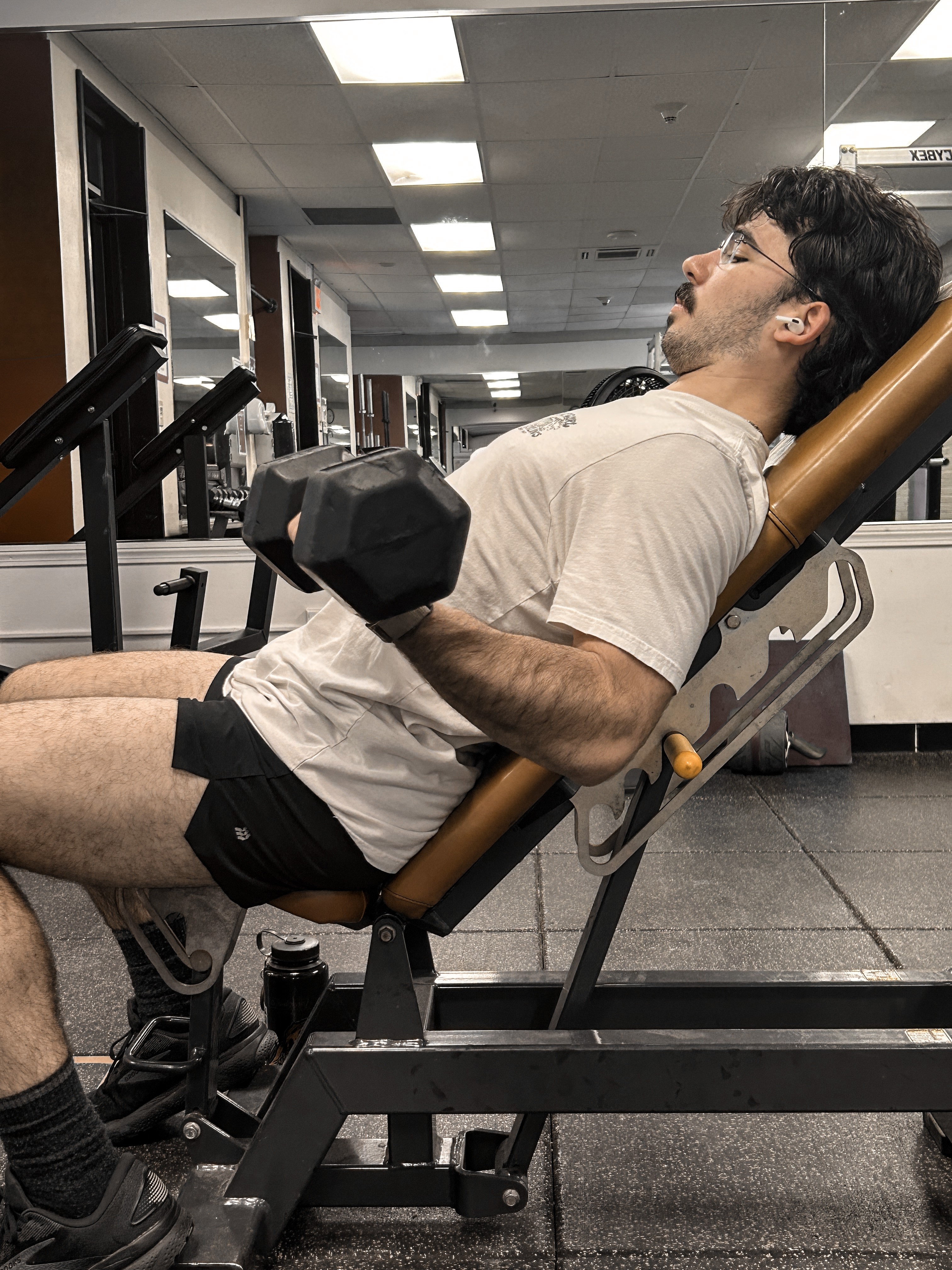

Strength, mobility, balance, and cardiovascular capacity remain trainable well into your seventies, eighties, and beyond. The body adapts at every age. The rate of adaptation may change, but the capacity does not disappear. Starting later in life isn’t a disadvantage, it’s an opportunity.
What Happens to Muscle With Age?
Beginning around age 30, muscle mass starts to gradually decline. After 60, the rate of loss can accelerate, a process known as sarcopenia. Reduced muscle mass contributes to:
- Decreased strength
- Higher fall risk
- Reduced independence
- Slower recovery from illness or injury
But decline isn’t everyone’s destiny. Research consistently shows that resistance training can significantly increase strength and muscle mass in adults over 70, even in individuals who have never lifted weights before. The stimulus works and the body responds.
Strength Training in Your 70s: What Changes?
The fundamentals remain the same: progressive resistance, adequate recovery, and consistency. What changes is the margin for error. Recovery may take longer, joint sensitivity may be higher, and medical considerations may require modification. That doesn’t eliminate training, just shapes it. Early improvements often come quickly. Neural adaptations like better coordination and motor unit recruitment can increase strength before visible muscle growth occurs. For many older adults, the initial gains feel dramatic because they directly impact daily life: standing from chairs, climbing stairs, carrying groceries, picking up grandchildren.
The Benefits Go Beyond Muscle
Strength training at this stage isn’t only about aesthetics or even raw strength. It improves:
- Bone density
- Balance and coordination
- Insulin sensitivity
- Mood and cognitive function
- Functional independence
Regular resistance exercise has consistently been associated with reduced fall risk and improved quality of life in older populations. In other words, it supports autonomy.
“But I’ve Never Trained Before”
That may actually work in your favor. Novices at any age tend to respond well to structured training. With appropriate supervision and gradual progression, older beginners often experience meaningful improvements in just a few months. The key is starting conservatively. Machines can provide stability. Bodyweight movements build baseline strength. Light dumbbells and resistance bands allow safe progression. A qualified coach or physical therapist (one of the best options in this case) can tailor programming to medical history and movement limitations.
The goal is not to chase personal records but to build capacity steadily.
Addressing Fear of Injury
Injury risk increases when load exceeds tissue tolerance. The solution is not avoidance but intelligent progression. A well-designed program emphasizes:
- Controlled movement
- Gradual load increases
- Adequate rest
- Proper technique
- Monitoring of joint discomfort
Strength training done thoughtfully often reduces injury risk in daily life because stronger muscles better support joints. Many older adults are committed to daily walking, but avoiding strength training entirely tends to increase fragility over time.
What About Conditioning?
Cardiovascular fitness matters as well. Low-impact activities like brisk walking, cycling, swimming, and light rowing all improve heart health. Combining resistance training two to three times per week with moderate aerobic work produces comprehensive benefits. Intensity can be adjusted, but consistency matters more than intensity, as with everyone.
What’s Realistic?
You may not look or perform like a 30-year-old athlete. That isn’t the benchmark. Progress is measured against your own baseline:
- Standing up more easily
- Walking longer distances without fatigue
- Feeling steadier on your feet
- Regaining confidence in movement
These changes compound. Keep in mind: strength gained in your seventies improves the next decade of life.
The Psychological Shift
Starting at 70 requires humility. It may also require courage. Walking into a gym for the first time can feel intimidating. The environment can sometimes skew younger and louder. At Firehouse Fitness, we’re committed to accommodating a diverse audience. Our classes coaching resources can provide structure and support.
You are not behind. You are beginning.
When to Speak With a Professional
If you have cardiovascular disease, uncontrolled hypertension, joint replacements, osteoporosis, or other chronic conditions, consult a healthcare provider before beginning a new program. That conversation is about customization, not permission to avoid activity entirely.
Takeaway
No, it’s not too late. The human body remains adaptable well into older age. Strength training improves muscle mass, balance, bone health, and independence. Conditioning supports cardiovascular resilience. The returns may look different than they did at 30, but they are no less meaningful.
The best time to start may have been decades ago, but the second-best time is now.
Sources & Resources
- PubMed, NIH, Tufts University - Sarcopenia: origins and clinical relevance
- PubMed, NIH, Tufts University - High-intensity strength training in nonagenarians. Effects on skeletal muscle
- PubMed, NIH, Quincy College - Resistance training is medicine: effects of strength training on health
- PubMed, NIH, Griffith University, Menzies Health Institute Queensland, The Bone Clinic - High-Intensity Resistance and Impact Training Improves Bone Mineral Density and Physical Function in Postmenopausal Women With Osteopenia and Osteoporosis: The LIFTMOR Randomized Controlled Trial
- PubMed, NIH, The University of Sydney - Exercise for preventing falls in older people living in the community
- PubMed, NIH, University of Pittsburgh, University of Lausanne - Exercise Dose and Insulin Sensitivity: Relevance for Diabetes Prevention
- PubMed, NIH, University of British Columbia - Resistance training and executive functions: a 12-month randomized controlled trial

I’m Over 70 — Is it Too Late for Me to Hit the Gym?
This question usually carries more than curiosity. It carries hesitation, concern about injury,, uncertainty about where to start, a quiet worry that the window has closed. Spoiler: it hasn’t.
Lifestyle
Beginner
Strength, mobility, balance, and cardiovascular capacity remain trainable well into your seventies, eighties, and beyond. The body adapts at every age. The rate of adaptation may change, but the capacity does not disappear. Starting later in life isn’t a disadvantage, it’s an opportunity.
What Happens to Muscle With Age?
Beginning around age 30, muscle mass starts to gradually decline. After 60, the rate of loss can accelerate, a process known as sarcopenia. Reduced muscle mass contributes to:
- Decreased strength
- Higher fall risk
- Reduced independence
- Slower recovery from illness or injury
But decline isn’t everyone’s destiny. Research consistently shows that resistance training can significantly increase strength and muscle mass in adults over 70, even in individuals who have never lifted weights before. The stimulus works and the body responds.
Strength Training in Your 70s: What Changes?
The fundamentals remain the same: progressive resistance, adequate recovery, and consistency. What changes is the margin for error. Recovery may take longer, joint sensitivity may be higher, and medical considerations may require modification. That doesn’t eliminate training, just shapes it. Early improvements often come quickly. Neural adaptations like better coordination and motor unit recruitment can increase strength before visible muscle growth occurs. For many older adults, the initial gains feel dramatic because they directly impact daily life: standing from chairs, climbing stairs, carrying groceries, picking up grandchildren.
The Benefits Go Beyond Muscle
Strength training at this stage isn’t only about aesthetics or even raw strength. It improves:
- Bone density
- Balance and coordination
- Insulin sensitivity
- Mood and cognitive function
- Functional independence
Regular resistance exercise has consistently been associated with reduced fall risk and improved quality of life in older populations. In other words, it supports autonomy.
“But I’ve Never Trained Before”
That may actually work in your favor. Novices at any age tend to respond well to structured training. With appropriate supervision and gradual progression, older beginners often experience meaningful improvements in just a few months. The key is starting conservatively. Machines can provide stability. Bodyweight movements build baseline strength. Light dumbbells and resistance bands allow safe progression. A qualified coach or physical therapist (one of the best options in this case) can tailor programming to medical history and movement limitations.
The goal is not to chase personal records but to build capacity steadily.
Addressing Fear of Injury
Injury risk increases when load exceeds tissue tolerance. The solution is not avoidance but intelligent progression. A well-designed program emphasizes:
- Controlled movement
- Gradual load increases
- Adequate rest
- Proper technique
- Monitoring of joint discomfort
Strength training done thoughtfully often reduces injury risk in daily life because stronger muscles better support joints. Many older adults are committed to daily walking, but avoiding strength training entirely tends to increase fragility over time.
What About Conditioning?
Cardiovascular fitness matters as well. Low-impact activities like brisk walking, cycling, swimming, and light rowing all improve heart health. Combining resistance training two to three times per week with moderate aerobic work produces comprehensive benefits. Intensity can be adjusted, but consistency matters more than intensity, as with everyone.
What’s Realistic?
You may not look or perform like a 30-year-old athlete. That isn’t the benchmark. Progress is measured against your own baseline:
- Standing up more easily
- Walking longer distances without fatigue
- Feeling steadier on your feet
- Regaining confidence in movement
These changes compound. Keep in mind: strength gained in your seventies improves the next decade of life.
The Psychological Shift
Starting at 70 requires humility. It may also require courage. Walking into a gym for the first time can feel intimidating. The environment can sometimes skew younger and louder. At Firehouse Fitness, we’re committed to accommodating a diverse audience. Our classes coaching resources can provide structure and support.
You are not behind. You are beginning.
When to Speak With a Professional
If you have cardiovascular disease, uncontrolled hypertension, joint replacements, osteoporosis, or other chronic conditions, consult a healthcare provider before beginning a new program. That conversation is about customization, not permission to avoid activity entirely.
Takeaway
No, it’s not too late. The human body remains adaptable well into older age. Strength training improves muscle mass, balance, bone health, and independence. Conditioning supports cardiovascular resilience. The returns may look different than they did at 30, but they are no less meaningful.
The best time to start may have been decades ago, but the second-best time is now.
Sources & Resources
- PubMed, NIH, Tufts University - Sarcopenia: origins and clinical relevance
- PubMed, NIH, Tufts University - High-intensity strength training in nonagenarians. Effects on skeletal muscle
- PubMed, NIH, Quincy College - Resistance training is medicine: effects of strength training on health
- PubMed, NIH, Griffith University, Menzies Health Institute Queensland, The Bone Clinic - High-Intensity Resistance and Impact Training Improves Bone Mineral Density and Physical Function in Postmenopausal Women With Osteopenia and Osteoporosis: The LIFTMOR Randomized Controlled Trial
- PubMed, NIH, The University of Sydney - Exercise for preventing falls in older people living in the community
- PubMed, NIH, University of Pittsburgh, University of Lausanne - Exercise Dose and Insulin Sensitivity: Relevance for Diabetes Prevention
- PubMed, NIH, University of British Columbia - Resistance training and executive functions: a 12-month randomized controlled trial

I’m Over 70 — Is it Too Late for Me to Hit the Gym?
This question usually carries more than curiosity. It carries hesitation, concern about injury,, uncertainty about where to start, a quiet worry that the window has closed. Spoiler: it hasn’t.
Lifestyle
Beginner
Strength, mobility, balance, and cardiovascular capacity remain trainable well into your seventies, eighties, and beyond. The body adapts at every age. The rate of adaptation may change, but the capacity does not disappear. Starting later in life isn’t a disadvantage, it’s an opportunity.
What Happens to Muscle With Age?
Beginning around age 30, muscle mass starts to gradually decline. After 60, the rate of loss can accelerate, a process known as sarcopenia. Reduced muscle mass contributes to:
- Decreased strength
- Higher fall risk
- Reduced independence
- Slower recovery from illness or injury
But decline isn’t everyone’s destiny. Research consistently shows that resistance training can significantly increase strength and muscle mass in adults over 70, even in individuals who have never lifted weights before. The stimulus works and the body responds.
Strength Training in Your 70s: What Changes?
The fundamentals remain the same: progressive resistance, adequate recovery, and consistency. What changes is the margin for error. Recovery may take longer, joint sensitivity may be higher, and medical considerations may require modification. That doesn’t eliminate training, just shapes it. Early improvements often come quickly. Neural adaptations like better coordination and motor unit recruitment can increase strength before visible muscle growth occurs. For many older adults, the initial gains feel dramatic because they directly impact daily life: standing from chairs, climbing stairs, carrying groceries, picking up grandchildren.
The Benefits Go Beyond Muscle
Strength training at this stage isn’t only about aesthetics or even raw strength. It improves:
- Bone density
- Balance and coordination
- Insulin sensitivity
- Mood and cognitive function
- Functional independence
Regular resistance exercise has consistently been associated with reduced fall risk and improved quality of life in older populations. In other words, it supports autonomy.
“But I’ve Never Trained Before”
That may actually work in your favor. Novices at any age tend to respond well to structured training. With appropriate supervision and gradual progression, older beginners often experience meaningful improvements in just a few months. The key is starting conservatively. Machines can provide stability. Bodyweight movements build baseline strength. Light dumbbells and resistance bands allow safe progression. A qualified coach or physical therapist (one of the best options in this case) can tailor programming to medical history and movement limitations.
The goal is not to chase personal records but to build capacity steadily.
Addressing Fear of Injury
Injury risk increases when load exceeds tissue tolerance. The solution is not avoidance but intelligent progression. A well-designed program emphasizes:
- Controlled movement
- Gradual load increases
- Adequate rest
- Proper technique
- Monitoring of joint discomfort
Strength training done thoughtfully often reduces injury risk in daily life because stronger muscles better support joints. Many older adults are committed to daily walking, but avoiding strength training entirely tends to increase fragility over time.
What About Conditioning?
Cardiovascular fitness matters as well. Low-impact activities like brisk walking, cycling, swimming, and light rowing all improve heart health. Combining resistance training two to three times per week with moderate aerobic work produces comprehensive benefits. Intensity can be adjusted, but consistency matters more than intensity, as with everyone.
What’s Realistic?
You may not look or perform like a 30-year-old athlete. That isn’t the benchmark. Progress is measured against your own baseline:
- Standing up more easily
- Walking longer distances without fatigue
- Feeling steadier on your feet
- Regaining confidence in movement
These changes compound. Keep in mind: strength gained in your seventies improves the next decade of life.
The Psychological Shift
Starting at 70 requires humility. It may also require courage. Walking into a gym for the first time can feel intimidating. The environment can sometimes skew younger and louder. At Firehouse Fitness, we’re committed to accommodating a diverse audience. Our classes coaching resources can provide structure and support.
You are not behind. You are beginning.
When to Speak With a Professional
If you have cardiovascular disease, uncontrolled hypertension, joint replacements, osteoporosis, or other chronic conditions, consult a healthcare provider before beginning a new program. That conversation is about customization, not permission to avoid activity entirely.
Takeaway
No, it’s not too late. The human body remains adaptable well into older age. Strength training improves muscle mass, balance, bone health, and independence. Conditioning supports cardiovascular resilience. The returns may look different than they did at 30, but they are no less meaningful.
The best time to start may have been decades ago, but the second-best time is now.
Sources & Resources
- PubMed, NIH, Tufts University - Sarcopenia: origins and clinical relevance
- PubMed, NIH, Tufts University - High-intensity strength training in nonagenarians. Effects on skeletal muscle
- PubMed, NIH, Quincy College - Resistance training is medicine: effects of strength training on health
- PubMed, NIH, Griffith University, Menzies Health Institute Queensland, The Bone Clinic - High-Intensity Resistance and Impact Training Improves Bone Mineral Density and Physical Function in Postmenopausal Women With Osteopenia and Osteoporosis: The LIFTMOR Randomized Controlled Trial
- PubMed, NIH, The University of Sydney - Exercise for preventing falls in older people living in the community
- PubMed, NIH, University of Pittsburgh, University of Lausanne - Exercise Dose and Insulin Sensitivity: Relevance for Diabetes Prevention
- PubMed, NIH, University of British Columbia - Resistance training and executive functions: a 12-month randomized controlled trial

Placeholder Title
Placeholder Subtitle
Lifestyle
Beginner
Strength, mobility, balance, and cardiovascular capacity remain trainable well into your seventies, eighties, and beyond. The body adapts at every age. The rate of adaptation may change, but the capacity does not disappear. Starting later in life isn’t a disadvantage, it’s an opportunity.
What Happens to Muscle With Age?
Beginning around age 30, muscle mass starts to gradually decline. After 60, the rate of loss can accelerate, a process known as sarcopenia. Reduced muscle mass contributes to:
- Decreased strength
- Higher fall risk
- Reduced independence
- Slower recovery from illness or injury
But decline isn’t everyone’s destiny. Research consistently shows that resistance training can significantly increase strength and muscle mass in adults over 70, even in individuals who have never lifted weights before. The stimulus works and the body responds.
Strength Training in Your 70s: What Changes?
The fundamentals remain the same: progressive resistance, adequate recovery, and consistency. What changes is the margin for error. Recovery may take longer, joint sensitivity may be higher, and medical considerations may require modification. That doesn’t eliminate training, just shapes it. Early improvements often come quickly. Neural adaptations like better coordination and motor unit recruitment can increase strength before visible muscle growth occurs. For many older adults, the initial gains feel dramatic because they directly impact daily life: standing from chairs, climbing stairs, carrying groceries, picking up grandchildren.
The Benefits Go Beyond Muscle
Strength training at this stage isn’t only about aesthetics or even raw strength. It improves:
- Bone density
- Balance and coordination
- Insulin sensitivity
- Mood and cognitive function
- Functional independence
Regular resistance exercise has consistently been associated with reduced fall risk and improved quality of life in older populations. In other words, it supports autonomy.
“But I’ve Never Trained Before”
That may actually work in your favor. Novices at any age tend to respond well to structured training. With appropriate supervision and gradual progression, older beginners often experience meaningful improvements in just a few months. The key is starting conservatively. Machines can provide stability. Bodyweight movements build baseline strength. Light dumbbells and resistance bands allow safe progression. A qualified coach or physical therapist (one of the best options in this case) can tailor programming to medical history and movement limitations.
The goal is not to chase personal records but to build capacity steadily.
Addressing Fear of Injury
Injury risk increases when load exceeds tissue tolerance. The solution is not avoidance but intelligent progression. A well-designed program emphasizes:
- Controlled movement
- Gradual load increases
- Adequate rest
- Proper technique
- Monitoring of joint discomfort
Strength training done thoughtfully often reduces injury risk in daily life because stronger muscles better support joints. Many older adults are committed to daily walking, but avoiding strength training entirely tends to increase fragility over time.
What About Conditioning?
Cardiovascular fitness matters as well. Low-impact activities like brisk walking, cycling, swimming, and light rowing all improve heart health. Combining resistance training two to three times per week with moderate aerobic work produces comprehensive benefits. Intensity can be adjusted, but consistency matters more than intensity, as with everyone.
What’s Realistic?
You may not look or perform like a 30-year-old athlete. That isn’t the benchmark. Progress is measured against your own baseline:
- Standing up more easily
- Walking longer distances without fatigue
- Feeling steadier on your feet
- Regaining confidence in movement
These changes compound. Keep in mind: strength gained in your seventies improves the next decade of life.
The Psychological Shift
Starting at 70 requires humility. It may also require courage. Walking into a gym for the first time can feel intimidating. The environment can sometimes skew younger and louder. At Firehouse Fitness, we’re committed to accommodating a diverse audience. Our classes coaching resources can provide structure and support.
You are not behind. You are beginning.
When to Speak With a Professional
If you have cardiovascular disease, uncontrolled hypertension, joint replacements, osteoporosis, or other chronic conditions, consult a healthcare provider before beginning a new program. That conversation is about customization, not permission to avoid activity entirely.
Takeaway
No, it’s not too late. The human body remains adaptable well into older age. Strength training improves muscle mass, balance, bone health, and independence. Conditioning supports cardiovascular resilience. The returns may look different than they did at 30, but they are no less meaningful.
The best time to start may have been decades ago, but the second-best time is now.
Sources & Resources
- PubMed, NIH, Tufts University - Sarcopenia: origins and clinical relevance
- PubMed, NIH, Tufts University - High-intensity strength training in nonagenarians. Effects on skeletal muscle
- PubMed, NIH, Quincy College - Resistance training is medicine: effects of strength training on health
- PubMed, NIH, Griffith University, Menzies Health Institute Queensland, The Bone Clinic - High-Intensity Resistance and Impact Training Improves Bone Mineral Density and Physical Function in Postmenopausal Women With Osteopenia and Osteoporosis: The LIFTMOR Randomized Controlled Trial
- PubMed, NIH, The University of Sydney - Exercise for preventing falls in older people living in the community
- PubMed, NIH, University of Pittsburgh, University of Lausanne - Exercise Dose and Insulin Sensitivity: Relevance for Diabetes Prevention
- PubMed, NIH, University of British Columbia - Resistance training and executive functions: a 12-month randomized controlled trial