
Diet
Diet is less about perfection and more about patterns you can sustain. This section focuses on how food supports training, health, and daily life without moralizing or chasing trends.
You’ll find evidence-based explanations of nutrition fundamentals, common myths unpacked, and practical frameworks for eating in a way that supports your goals while still leaving room for flexibility and enjoyment.


What Actually is a “Balanced Diet” and What is a Gut Microbiome Anyway?
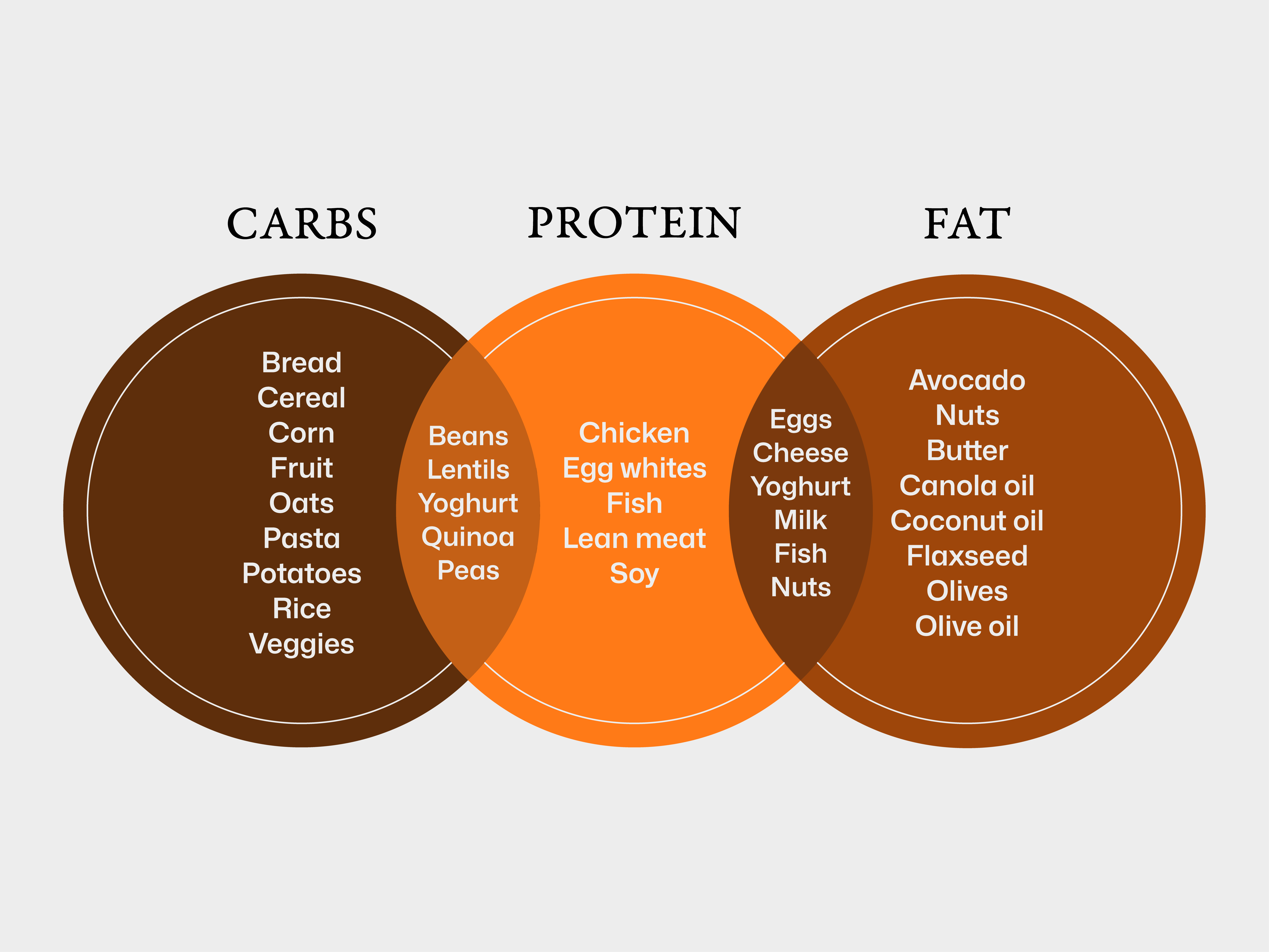
Macronutrients: An Overview of the Role Carbs, Proteins, and Fats Play in Your Diet
Mindful Eating: Strategies for a Good Diet
What is Caloric Maintenance, Surplus, and Deficit?
Diet Trends: Fact and Fiction
Processed Foods: Fact and Fiction
The Most Important Things to Look for on Nutrition Facts
Healthy and Sustainable Weight Loss and Weight Gain for Performance Goals: What the Science Says
Supplements: Facts and Fiction
Is Any Amount of Alcohol Bad For You?

Diet
Diet is less about perfection and more about patterns you can sustain. This section focuses on how food supports training, health, and daily life without moralizing or chasing trends.
You’ll find evidence-based explanations of nutrition fundamentals, common myths unpacked, and practical frameworks for eating in a way that supports your goals while still leaving room for flexibility and enjoyment.
What Actually is a “Balanced Diet” and What is a Gut Microbiome Anyway?
A “balanced diet” isn’t a formula to solve, but a pattern to sustain. Dietary diversity — especially across plant foods — supports a healthier gut microbiome, which in turn supports digestion, metabolism, and overall health. Rather than chasing rules, balance emerges from flexibility, variety, and long-term consistency.
Macronutrients: An Overview of the Role Carbs, Proteins, and Fats Play in Your Diet
Macronutrients—carbohydrates, proteins, and fats—are called macro nutrients because your body needs them in relatively large amounts every day. They’re not just labels on a nutrition tracker; they shape how much energy you have, how well your body repairs itself, how you perform in training, and how your health unfolds over time. A deeper understanding of their roles brings clarity to both health and performance goals, whether that’s feeling good throughout the day or getting stronger.
Mindful Eating: Strategies for a Good Diet
Most nutrition advice focuses on what to eat: macros, calories, food quality, or dietary patterns. Far less attention is paid to how we eat. Yet for many people, the biggest obstacles to a “good diet” aren’t knowledge gaps, they’re habits, environment, stress, and speed.
What is Caloric Maintenance, Surplus, and Deficit?
Nearly every goal in nutrition—losing fat, gaining muscle, improving performance, or simply staying the same—rests on one underlying concept: energy balance.
Diet Trends: Fact and Fiction
Nutrition has always been shaped by trends. One decade it’s low-fat. The next it’s low-carb. Then it’s plant-based, ancestral, ketogenic, carnivore, raw, or something newly branded and algorithm-friendly. Most diet trends contain a kernel of truth. Many also overextend that truth into universal rules.
Processed Foods: Fact and Fiction
“Processed food” has become shorthand for unhealthy. It’s often used as a blanket warning: avoid it, eliminate it, detox from it. But nearly all food is processed in some way.
The Most Important Things to Look for on Nutrition Facts
How to Read a Label Based on Your Goals — Not Fear
Healthy and Sustainable Weight Loss and Weight Gain for Performance Goals: What the Science Says
Bodyweight change is often framed in extremes: lose as fast as possible, bulk as aggressively as possible, optimize at all costs. But physiology does not reward impatience. Whether the goal is fat loss or muscle gain, the scientific throughline is consistent: slower, structured, and sustainable approaches outperform dramatic swings.
Supplements: Facts and Fiction
The supplement industry thrives in the space between ambition and uncertainty. Most people want better health, better performance, more muscle, less fat, sharper focus, faster recovery. Supplements promise acceleration. In this article we’ll outline the main evidence-supported supplements and those with less evidence-based support.
Is Any Amount of Alcohol Bad For You?
For decades, alcohol has occupied a confusing space in public health. Headlines have alternated between “a glass of red wine is good for your heart” and “no amount of alcohol is safe.” Both statements have drawn from real research. Both oversimplify. So what does the science actually say?

Diet
Diet is less about perfection and more about patterns you can sustain. This section focuses on how food supports training, health, and daily life without moralizing or chasing trends.
You’ll find evidence-based explanations of nutrition fundamentals, common myths unpacked, and practical frameworks for eating in a way that supports your goals while still leaving room for flexibility and enjoyment.
What Actually is a “Balanced Diet” and What is a Gut Microbiome Anyway?
A “balanced diet” isn’t a formula to solve, but a pattern to sustain. Dietary diversity — especially across plant foods — supports a healthier gut microbiome, which in turn supports digestion, metabolism, and overall health. Rather than chasing rules, balance emerges from flexibility, variety, and long-term consistency.
Macronutrients: An Overview of the Role Carbs, Proteins, and Fats Play in Your Diet
Macronutrients—carbohydrates, proteins, and fats—are called macro nutrients because your body needs them in relatively large amounts every day. They’re not just labels on a nutrition tracker; they shape how much energy you have, how well your body repairs itself, how you perform in training, and how your health unfolds over time. A deeper understanding of their roles brings clarity to both health and performance goals, whether that’s feeling good throughout the day or getting stronger.
Mindful Eating: Strategies for a Good Diet
Most nutrition advice focuses on what to eat: macros, calories, food quality, or dietary patterns. Far less attention is paid to how we eat. Yet for many people, the biggest obstacles to a “good diet” aren’t knowledge gaps, they’re habits, environment, stress, and speed.
What is Caloric Maintenance, Surplus, and Deficit?
Nearly every goal in nutrition—losing fat, gaining muscle, improving performance, or simply staying the same—rests on one underlying concept: energy balance.
Diet Trends: Fact and Fiction
Nutrition has always been shaped by trends. One decade it’s low-fat. The next it’s low-carb. Then it’s plant-based, ancestral, ketogenic, carnivore, raw, or something newly branded and algorithm-friendly. Most diet trends contain a kernel of truth. Many also overextend that truth into universal rules.
Processed Foods: Fact and Fiction
“Processed food” has become shorthand for unhealthy. It’s often used as a blanket warning: avoid it, eliminate it, detox from it. But nearly all food is processed in some way.
The Most Important Things to Look for on Nutrition Facts
How to Read a Label Based on Your Goals — Not Fear
Healthy and Sustainable Weight Loss and Weight Gain for Performance Goals: What the Science Says
Bodyweight change is often framed in extremes: lose as fast as possible, bulk as aggressively as possible, optimize at all costs. But physiology does not reward impatience. Whether the goal is fat loss or muscle gain, the scientific throughline is consistent: slower, structured, and sustainable approaches outperform dramatic swings.
Supplements: Facts and Fiction
The supplement industry thrives in the space between ambition and uncertainty. Most people want better health, better performance, more muscle, less fat, sharper focus, faster recovery. Supplements promise acceleration. In this article we’ll outline the main evidence-supported supplements and those with less evidence-based support.
Is Any Amount of Alcohol Bad For You?
For decades, alcohol has occupied a confusing space in public health. Headlines have alternated between “a glass of red wine is good for your heart” and “no amount of alcohol is safe.” Both statements have drawn from real research. Both oversimplify. So what does the science actually say?

Diet
Diet is less about perfection and more about patterns you can sustain. This section focuses on how food supports training, health, and daily life without moralizing or chasing trends.
You’ll find evidence-based explanations of nutrition fundamentals, common myths unpacked, and practical frameworks for eating in a way that supports your goals while still leaving room for flexibility and enjoyment.
What Actually is a “Balanced Diet” and What is a Gut Microbiome Anyway?
A “balanced diet” isn’t a formula to solve, but a pattern to sustain. Dietary diversity — especially across plant foods — supports a healthier gut microbiome, which in turn supports digestion, metabolism, and overall health. Rather than chasing rules, balance emerges from flexibility, variety, and long-term consistency.
Macronutrients: An Overview of the Role Carbs, Proteins, and Fats Play in Your Diet
Macronutrients—carbohydrates, proteins, and fats—are called macro nutrients because your body needs them in relatively large amounts every day. They’re not just labels on a nutrition tracker; they shape how much energy you have, how well your body repairs itself, how you perform in training, and how your health unfolds over time. A deeper understanding of their roles brings clarity to both health and performance goals, whether that’s feeling good throughout the day or getting stronger.
Mindful Eating: Strategies for a Good Diet
Most nutrition advice focuses on what to eat: macros, calories, food quality, or dietary patterns. Far less attention is paid to how we eat. Yet for many people, the biggest obstacles to a “good diet” aren’t knowledge gaps, they’re habits, environment, stress, and speed.
What is Caloric Maintenance, Surplus, and Deficit?
Nearly every goal in nutrition—losing fat, gaining muscle, improving performance, or simply staying the same—rests on one underlying concept: energy balance.
Diet Trends: Fact and Fiction
Nutrition has always been shaped by trends. One decade it’s low-fat. The next it’s low-carb. Then it’s plant-based, ancestral, ketogenic, carnivore, raw, or something newly branded and algorithm-friendly. Most diet trends contain a kernel of truth. Many also overextend that truth into universal rules.
Processed Foods: Fact and Fiction
“Processed food” has become shorthand for unhealthy. It’s often used as a blanket warning: avoid it, eliminate it, detox from it. But nearly all food is processed in some way.
The Most Important Things to Look for on Nutrition Facts
How to Read a Label Based on Your Goals — Not Fear
Healthy and Sustainable Weight Loss and Weight Gain for Performance Goals: What the Science Says
Bodyweight change is often framed in extremes: lose as fast as possible, bulk as aggressively as possible, optimize at all costs. But physiology does not reward impatience. Whether the goal is fat loss or muscle gain, the scientific throughline is consistent: slower, structured, and sustainable approaches outperform dramatic swings.
Supplements: Facts and Fiction
The supplement industry thrives in the space between ambition and uncertainty. Most people want better health, better performance, more muscle, less fat, sharper focus, faster recovery. Supplements promise acceleration. In this article we’ll outline the main evidence-supported supplements and those with less evidence-based support.
Is Any Amount of Alcohol Bad For You?
For decades, alcohol has occupied a confusing space in public health. Headlines have alternated between “a glass of red wine is good for your heart” and “no amount of alcohol is safe.” Both statements have drawn from real research. Both oversimplify. So what does the science actually say?
Empty
Empty 2