
Macronutrients: An Overview of the Role Carbs, Proteins, and Fats Play in Your Diet
Macronutrients—carbohydrates, proteins, and fats—are called macro nutrients because your body needs them in relatively large amounts every day. They’re not just labels on a nutrition tracker; they shape how much energy you have, how well your body repairs itself, how you perform in training, and how your health unfolds over time. A deeper understanding of their roles brings clarity to both health and performance goals, whether that’s feeling good throughout the day or getting stronger.
Diet
Beginner


Carbohydrates: The Primary Fuel for Movement and Performance
Carbohydrates are the body’s main energy source. When you eat carbs, your digestive system breaks them down into glucose, a simple sugar that circulates in your bloodstream and fuels everything from basic brain function to intense physical activity. Glucose that isn’t needed immediately can be stored as glycogen in muscles and the liver, ready for later use.
This storage and retrieval system is especially important for strength and performance. During resistance training or high-intensity work, your body taps into glycogen as its preferred energy source. Low glycogen stores can make workouts feel flat and reduce volume, which means less stimulus for adaptation.
Carbohydrates also influence how well other macronutrients work. For example, eating carbs along with protein after training helps your body replenish glycogen and enhances muscle protein synthesis, supporting recovery and adaptation. From a general health standpoint, complex carbohydrates (those from whole grains, legumes, vegetables, and fruit) also provide fiber, which supports digestive health and contributes to satiety and metabolic regulation.
Proteins: The Structural and Repair Component
Proteins are made up of amino acids, the building blocks your body uses to construct and maintain tissues. Unlike carbohydrates and fats, which are primarily sources of energy, proteins serve as the structural material for muscles, organs, enzymes, hormones, and immune molecules.
For people focused on strength and performance, protein plays a dual role. It helps repair the micro-damage that occurs during resistance training and it fuels muscle growth when paired with progressive overload. In performance nutrition circles, daily protein targets are often higher; roughly 0.7–1 grams per pound of bodyweight for most active adults, with strength athletes near the upper end or even higher. That’s 126-180 grams of protein per day for 180lb people.
Outside of muscle, amino acids derived from protein are essential for many metabolic processes from building enzymes that catalyze biochemical reactions to supporting a balanced immune response. For overall health, protein also helps with appetite control because it slows digestion and increases satiety, which can help regulate energy intake across the day. Read more about that in our metabolism article.
Fats: Energy Storage, Hormones, and Cellular Health
Fats provide the most calories per gram of the three macronutrients, and their role extends far beyond energy storage. They are critical for absorbing fat-soluble vitamins (vitamins A, D, E, and K), insulating vital organs, and forming the structure of cell membranes.
From a performance perspective, fats become an important energy source during longer or lower-intensity activities. They also serve as an energy buffer when glycogen stores get low. Hormones that influence metabolism, training response, growth, and recovery, including sex hormones like testosterone, are synthesized from compounds that come directly from dietary fats.
Healthy fats such as monounsaturated and polyunsaturated fats, including omega-3 fatty acids, also play a role in modulating inflammation and supporting recovery. For both athletes and health-focused eaters, adequate intake of these fats contributes to overall physiological balance.
Calories, Macronutrient Balance, and Goals
Macronutrients each contribute calories to your daily total. Carbohydrates and proteins about four calories per gram, and fats about nine, and the balance among them doesn’t have one ideal ratio for everyone. General dietary guidance suggests broad ranges such as 45–65% of calories from carbs, 10–35% from protein, and 20–35% from fats, but individual needs depend heavily on goals, body size, training intensity, and metabolic health.
For someone with a strength or performance focus, protein and carbohydrates often take on greater practical importance because they directly support recovery, training quality, and performance outcomes. Meeting daily protein needs, ensuring sufficient carbohydrates for training and glycogen replenishment, and including healthy fats for hormonal and cellular support form a practical framework that still leaves room for individual variation.
Macronutrients in Everyday Eating
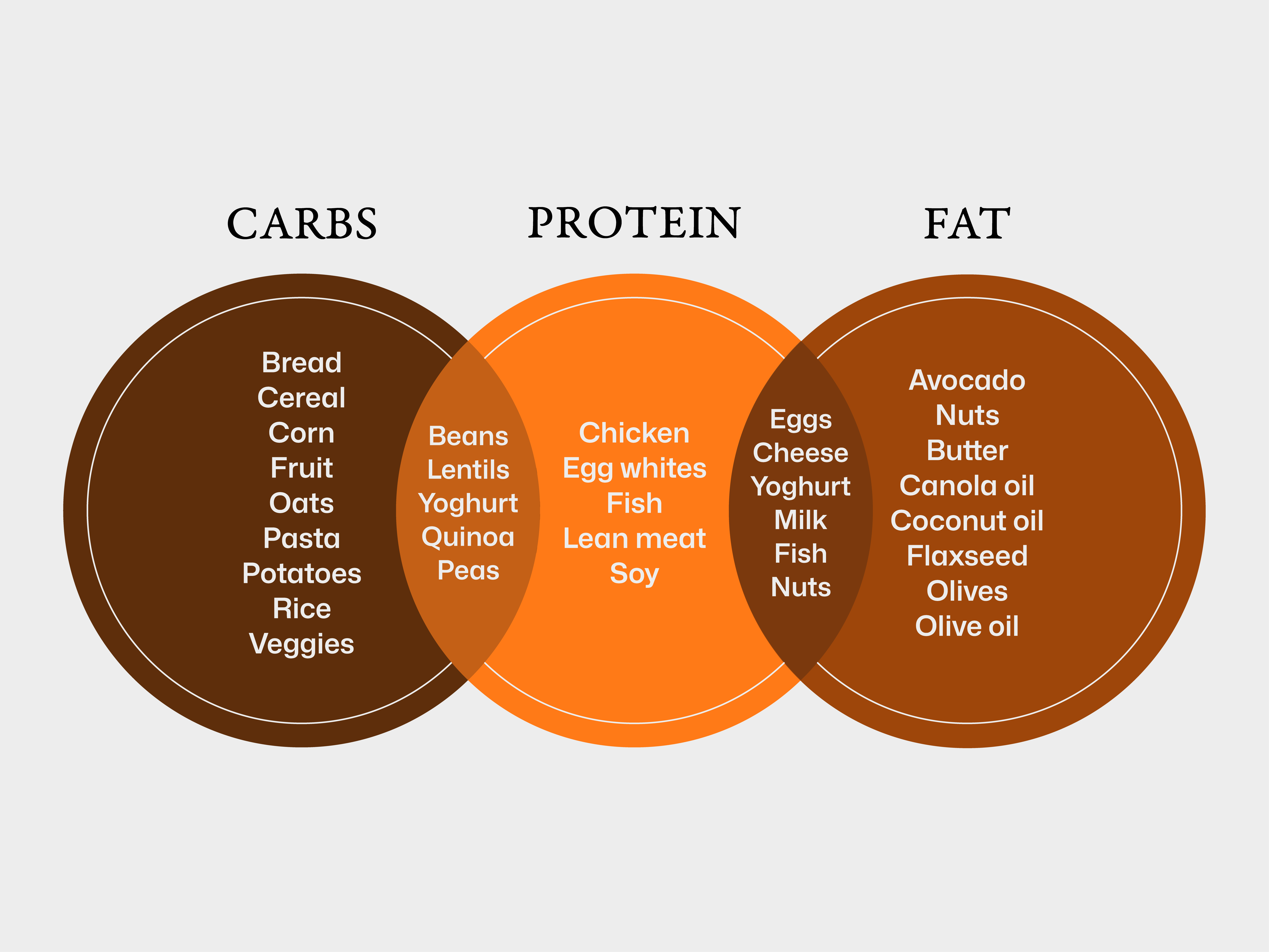
Real-world eating doesn’t happen in neatly separated categories; most whole foods contain a mix of macronutrients. For example, dairy and legumes combine protein with carbohydrates and fats in varying proportions. Choosing a variety of foods ensures not just macronutrients, but also micronutrients and bioactive compounds that support overall health.
This food-first perspective emphasizes patterns over perfection. Instead of fixating on exact grams, thinking in terms of balanced, nutrient-rich meals aligned with your health and performance goals tends to be more sustainable and effective. For those who are interested in getting a more in-depth understanding of their macronutrient intake or have performance-oriented goals, a tracking app can be a useful resource when used properly. MacroFactor and Cronometer are often cited as good examples, though these tools are paid; consider trying their free trials before deciding if that’s a commitment you want to make.
Takeaway
Carbohydrates, proteins, and fats are more than numbers on a “macro tracker.” They are foundational to how your body fuels activity, rebuilds itself, and maintains systems that matter for both health and performance. The right balance depends on your goals and context, but meeting your macronutrient needs in a varied, food-based way is one of the most reliable foundations for long-term success.
Sources and Resources

Macronutrients: An Overview of the Role Carbs, Proteins, and Fats Play in Your Diet
Macronutrients—carbohydrates, proteins, and fats—are called macro nutrients because your body needs them in relatively large amounts every day. They’re not just labels on a nutrition tracker; they shape how much energy you have, how well your body repairs itself, how you perform in training, and how your health unfolds over time. A deeper understanding of their roles brings clarity to both health and performance goals, whether that’s feeling good throughout the day or getting stronger.
Diet
Beginner
Carbohydrates: The Primary Fuel for Movement and Performance
Carbohydrates are the body’s main energy source. When you eat carbs, your digestive system breaks them down into glucose, a simple sugar that circulates in your bloodstream and fuels everything from basic brain function to intense physical activity. Glucose that isn’t needed immediately can be stored as glycogen in muscles and the liver, ready for later use.
This storage and retrieval system is especially important for strength and performance. During resistance training or high-intensity work, your body taps into glycogen as its preferred energy source. Low glycogen stores can make workouts feel flat and reduce volume, which means less stimulus for adaptation.
Carbohydrates also influence how well other macronutrients work. For example, eating carbs along with protein after training helps your body replenish glycogen and enhances muscle protein synthesis, supporting recovery and adaptation. From a general health standpoint, complex carbohydrates (those from whole grains, legumes, vegetables, and fruit) also provide fiber, which supports digestive health and contributes to satiety and metabolic regulation.
Proteins: The Structural and Repair Component
Proteins are made up of amino acids, the building blocks your body uses to construct and maintain tissues. Unlike carbohydrates and fats, which are primarily sources of energy, proteins serve as the structural material for muscles, organs, enzymes, hormones, and immune molecules.
For people focused on strength and performance, protein plays a dual role. It helps repair the micro-damage that occurs during resistance training and it fuels muscle growth when paired with progressive overload. In performance nutrition circles, daily protein targets are often higher; roughly 0.7–1 grams per pound of bodyweight for most active adults, with strength athletes near the upper end or even higher. That’s 126-180 grams of protein per day for 180lb people.
Outside of muscle, amino acids derived from protein are essential for many metabolic processes from building enzymes that catalyze biochemical reactions to supporting a balanced immune response. For overall health, protein also helps with appetite control because it slows digestion and increases satiety, which can help regulate energy intake across the day. Read more about that in our metabolism article.
Fats: Energy Storage, Hormones, and Cellular Health
Fats provide the most calories per gram of the three macronutrients, and their role extends far beyond energy storage. They are critical for absorbing fat-soluble vitamins (vitamins A, D, E, and K), insulating vital organs, and forming the structure of cell membranes.
From a performance perspective, fats become an important energy source during longer or lower-intensity activities. They also serve as an energy buffer when glycogen stores get low. Hormones that influence metabolism, training response, growth, and recovery, including sex hormones like testosterone, are synthesized from compounds that come directly from dietary fats.
Healthy fats such as monounsaturated and polyunsaturated fats, including omega-3 fatty acids, also play a role in modulating inflammation and supporting recovery. For both athletes and health-focused eaters, adequate intake of these fats contributes to overall physiological balance.
Calories, Macronutrient Balance, and Goals
Macronutrients each contribute calories to your daily total. Carbohydrates and proteins about four calories per gram, and fats about nine, and the balance among them doesn’t have one ideal ratio for everyone. General dietary guidance suggests broad ranges such as 45–65% of calories from carbs, 10–35% from protein, and 20–35% from fats, but individual needs depend heavily on goals, body size, training intensity, and metabolic health.
For someone with a strength or performance focus, protein and carbohydrates often take on greater practical importance because they directly support recovery, training quality, and performance outcomes. Meeting daily protein needs, ensuring sufficient carbohydrates for training and glycogen replenishment, and including healthy fats for hormonal and cellular support form a practical framework that still leaves room for individual variation.
Macronutrients in Everyday Eating
Real-world eating doesn’t happen in neatly separated categories; most whole foods contain a mix of macronutrients. For example, dairy and legumes combine protein with carbohydrates and fats in varying proportions. Choosing a variety of foods ensures not just macronutrients, but also micronutrients and bioactive compounds that support overall health.
This food-first perspective emphasizes patterns over perfection. Instead of fixating on exact grams, thinking in terms of balanced, nutrient-rich meals aligned with your health and performance goals tends to be more sustainable and effective. For those who are interested in getting a more in-depth understanding of their macronutrient intake or have performance-oriented goals, a tracking app can be a useful resource when used properly. MacroFactor and Cronometer are often cited as good examples, though these tools are paid; consider trying their free trials before deciding if that’s a commitment you want to make.
Takeaway
Carbohydrates, proteins, and fats are more than numbers on a “macro tracker.” They are foundational to how your body fuels activity, rebuilds itself, and maintains systems that matter for both health and performance. The right balance depends on your goals and context, but meeting your macronutrient needs in a varied, food-based way is one of the most reliable foundations for long-term success.
Sources and Resources

Macronutrients: An Overview of the Role Carbs, Proteins, and Fats Play in Your Diet
Macronutrients—carbohydrates, proteins, and fats—are called macro nutrients because your body needs them in relatively large amounts every day. They’re not just labels on a nutrition tracker; they shape how much energy you have, how well your body repairs itself, how you perform in training, and how your health unfolds over time. A deeper understanding of their roles brings clarity to both health and performance goals, whether that’s feeling good throughout the day or getting stronger.
Diet
Beginner
Carbohydrates: The Primary Fuel for Movement and Performance
Carbohydrates are the body’s main energy source. When you eat carbs, your digestive system breaks them down into glucose, a simple sugar that circulates in your bloodstream and fuels everything from basic brain function to intense physical activity. Glucose that isn’t needed immediately can be stored as glycogen in muscles and the liver, ready for later use.
This storage and retrieval system is especially important for strength and performance. During resistance training or high-intensity work, your body taps into glycogen as its preferred energy source. Low glycogen stores can make workouts feel flat and reduce volume, which means less stimulus for adaptation.
Carbohydrates also influence how well other macronutrients work. For example, eating carbs along with protein after training helps your body replenish glycogen and enhances muscle protein synthesis, supporting recovery and adaptation. From a general health standpoint, complex carbohydrates (those from whole grains, legumes, vegetables, and fruit) also provide fiber, which supports digestive health and contributes to satiety and metabolic regulation.
Proteins: The Structural and Repair Component
Proteins are made up of amino acids, the building blocks your body uses to construct and maintain tissues. Unlike carbohydrates and fats, which are primarily sources of energy, proteins serve as the structural material for muscles, organs, enzymes, hormones, and immune molecules.
For people focused on strength and performance, protein plays a dual role. It helps repair the micro-damage that occurs during resistance training and it fuels muscle growth when paired with progressive overload. In performance nutrition circles, daily protein targets are often higher; roughly 0.7–1 grams per pound of bodyweight for most active adults, with strength athletes near the upper end or even higher. That’s 126-180 grams of protein per day for 180lb people.
Outside of muscle, amino acids derived from protein are essential for many metabolic processes from building enzymes that catalyze biochemical reactions to supporting a balanced immune response. For overall health, protein also helps with appetite control because it slows digestion and increases satiety, which can help regulate energy intake across the day. Read more about that in our metabolism article.
Fats: Energy Storage, Hormones, and Cellular Health
Fats provide the most calories per gram of the three macronutrients, and their role extends far beyond energy storage. They are critical for absorbing fat-soluble vitamins (vitamins A, D, E, and K), insulating vital organs, and forming the structure of cell membranes.
From a performance perspective, fats become an important energy source during longer or lower-intensity activities. They also serve as an energy buffer when glycogen stores get low. Hormones that influence metabolism, training response, growth, and recovery, including sex hormones like testosterone, are synthesized from compounds that come directly from dietary fats.
Healthy fats such as monounsaturated and polyunsaturated fats, including omega-3 fatty acids, also play a role in modulating inflammation and supporting recovery. For both athletes and health-focused eaters, adequate intake of these fats contributes to overall physiological balance.
Calories, Macronutrient Balance, and Goals
Macronutrients each contribute calories to your daily total. Carbohydrates and proteins about four calories per gram, and fats about nine, and the balance among them doesn’t have one ideal ratio for everyone. General dietary guidance suggests broad ranges such as 45–65% of calories from carbs, 10–35% from protein, and 20–35% from fats, but individual needs depend heavily on goals, body size, training intensity, and metabolic health.
For someone with a strength or performance focus, protein and carbohydrates often take on greater practical importance because they directly support recovery, training quality, and performance outcomes. Meeting daily protein needs, ensuring sufficient carbohydrates for training and glycogen replenishment, and including healthy fats for hormonal and cellular support form a practical framework that still leaves room for individual variation.
Macronutrients in Everyday Eating
Real-world eating doesn’t happen in neatly separated categories; most whole foods contain a mix of macronutrients. For example, dairy and legumes combine protein with carbohydrates and fats in varying proportions. Choosing a variety of foods ensures not just macronutrients, but also micronutrients and bioactive compounds that support overall health.
This food-first perspective emphasizes patterns over perfection. Instead of fixating on exact grams, thinking in terms of balanced, nutrient-rich meals aligned with your health and performance goals tends to be more sustainable and effective. For those who are interested in getting a more in-depth understanding of their macronutrient intake or have performance-oriented goals, a tracking app can be a useful resource when used properly. MacroFactor and Cronometer are often cited as good examples, though these tools are paid; consider trying their free trials before deciding if that’s a commitment you want to make.
Takeaway
Carbohydrates, proteins, and fats are more than numbers on a “macro tracker.” They are foundational to how your body fuels activity, rebuilds itself, and maintains systems that matter for both health and performance. The right balance depends on your goals and context, but meeting your macronutrient needs in a varied, food-based way is one of the most reliable foundations for long-term success.
Sources and Resources

Macronutrients: An Overview of the Role Carbs, Proteins, and Fats Play in Your Diet
Macronutrients—carbohydrates, proteins, and fats—are called macro nutrients because your body needs them in relatively large amounts every day. They’re not just labels on a nutrition tracker; they shape how much energy you have, how well your body repairs itself, how you perform in training, and how your health unfolds over time. A deeper understanding of their roles brings clarity to both health and performance goals, whether that’s feeling good throughout the day or getting stronger.
Diet
Beginner
Carbohydrates: The Primary Fuel for Movement and Performance
Carbohydrates are the body’s main energy source. When you eat carbs, your digestive system breaks them down into glucose, a simple sugar that circulates in your bloodstream and fuels everything from basic brain function to intense physical activity. Glucose that isn’t needed immediately can be stored as glycogen in muscles and the liver, ready for later use.
This storage and retrieval system is especially important for strength and performance. During resistance training or high-intensity work, your body taps into glycogen as its preferred energy source. Low glycogen stores can make workouts feel flat and reduce volume, which means less stimulus for adaptation.
Carbohydrates also influence how well other macronutrients work. For example, eating carbs along with protein after training helps your body replenish glycogen and enhances muscle protein synthesis, supporting recovery and adaptation. From a general health standpoint, complex carbohydrates (those from whole grains, legumes, vegetables, and fruit) also provide fiber, which supports digestive health and contributes to satiety and metabolic regulation.
Proteins: The Structural and Repair Component
Proteins are made up of amino acids, the building blocks your body uses to construct and maintain tissues. Unlike carbohydrates and fats, which are primarily sources of energy, proteins serve as the structural material for muscles, organs, enzymes, hormones, and immune molecules.
For people focused on strength and performance, protein plays a dual role. It helps repair the micro-damage that occurs during resistance training and it fuels muscle growth when paired with progressive overload. In performance nutrition circles, daily protein targets are often higher; roughly 0.7–1 grams per pound of bodyweight for most active adults, with strength athletes near the upper end or even higher. That’s 126-180 grams of protein per day for 180lb people.
Outside of muscle, amino acids derived from protein are essential for many metabolic processes from building enzymes that catalyze biochemical reactions to supporting a balanced immune response. For overall health, protein also helps with appetite control because it slows digestion and increases satiety, which can help regulate energy intake across the day. Read more about that in our metabolism article.
Fats: Energy Storage, Hormones, and Cellular Health
Fats provide the most calories per gram of the three macronutrients, and their role extends far beyond energy storage. They are critical for absorbing fat-soluble vitamins (vitamins A, D, E, and K), insulating vital organs, and forming the structure of cell membranes.
From a performance perspective, fats become an important energy source during longer or lower-intensity activities. They also serve as an energy buffer when glycogen stores get low. Hormones that influence metabolism, training response, growth, and recovery, including sex hormones like testosterone, are synthesized from compounds that come directly from dietary fats.
Healthy fats such as monounsaturated and polyunsaturated fats, including omega-3 fatty acids, also play a role in modulating inflammation and supporting recovery. For both athletes and health-focused eaters, adequate intake of these fats contributes to overall physiological balance.
Calories, Macronutrient Balance, and Goals
Macronutrients each contribute calories to your daily total. Carbohydrates and proteins about four calories per gram, and fats about nine, and the balance among them doesn’t have one ideal ratio for everyone. General dietary guidance suggests broad ranges such as 45–65% of calories from carbs, 10–35% from protein, and 20–35% from fats, but individual needs depend heavily on goals, body size, training intensity, and metabolic health.
For someone with a strength or performance focus, protein and carbohydrates often take on greater practical importance because they directly support recovery, training quality, and performance outcomes. Meeting daily protein needs, ensuring sufficient carbohydrates for training and glycogen replenishment, and including healthy fats for hormonal and cellular support form a practical framework that still leaves room for individual variation.
Macronutrients in Everyday Eating
Real-world eating doesn’t happen in neatly separated categories; most whole foods contain a mix of macronutrients. For example, dairy and legumes combine protein with carbohydrates and fats in varying proportions. Choosing a variety of foods ensures not just macronutrients, but also micronutrients and bioactive compounds that support overall health.
This food-first perspective emphasizes patterns over perfection. Instead of fixating on exact grams, thinking in terms of balanced, nutrient-rich meals aligned with your health and performance goals tends to be more sustainable and effective. For those who are interested in getting a more in-depth understanding of their macronutrient intake or have performance-oriented goals, a tracking app can be a useful resource when used properly. MacroFactor and Cronometer are often cited as good examples, though these tools are paid; consider trying their free trials before deciding if that’s a commitment you want to make.
Takeaway
Carbohydrates, proteins, and fats are more than numbers on a “macro tracker.” They are foundational to how your body fuels activity, rebuilds itself, and maintains systems that matter for both health and performance. The right balance depends on your goals and context, but meeting your macronutrient needs in a varied, food-based way is one of the most reliable foundations for long-term success.