
What Is HIIT and Is It Right for Me?
High-Intensity Interval Training, better known as HIIT, is often marketed as a faster, better way to get fit. Short workouts. Big burn. Maximum efficiency. But like most tools in training—neither a miracle nor a mistake—it’s a specific method with specific strengths and limits. Whether it’s right for you depends on your goals, experience, and recovery capacity.
Technique Tips
Advanced
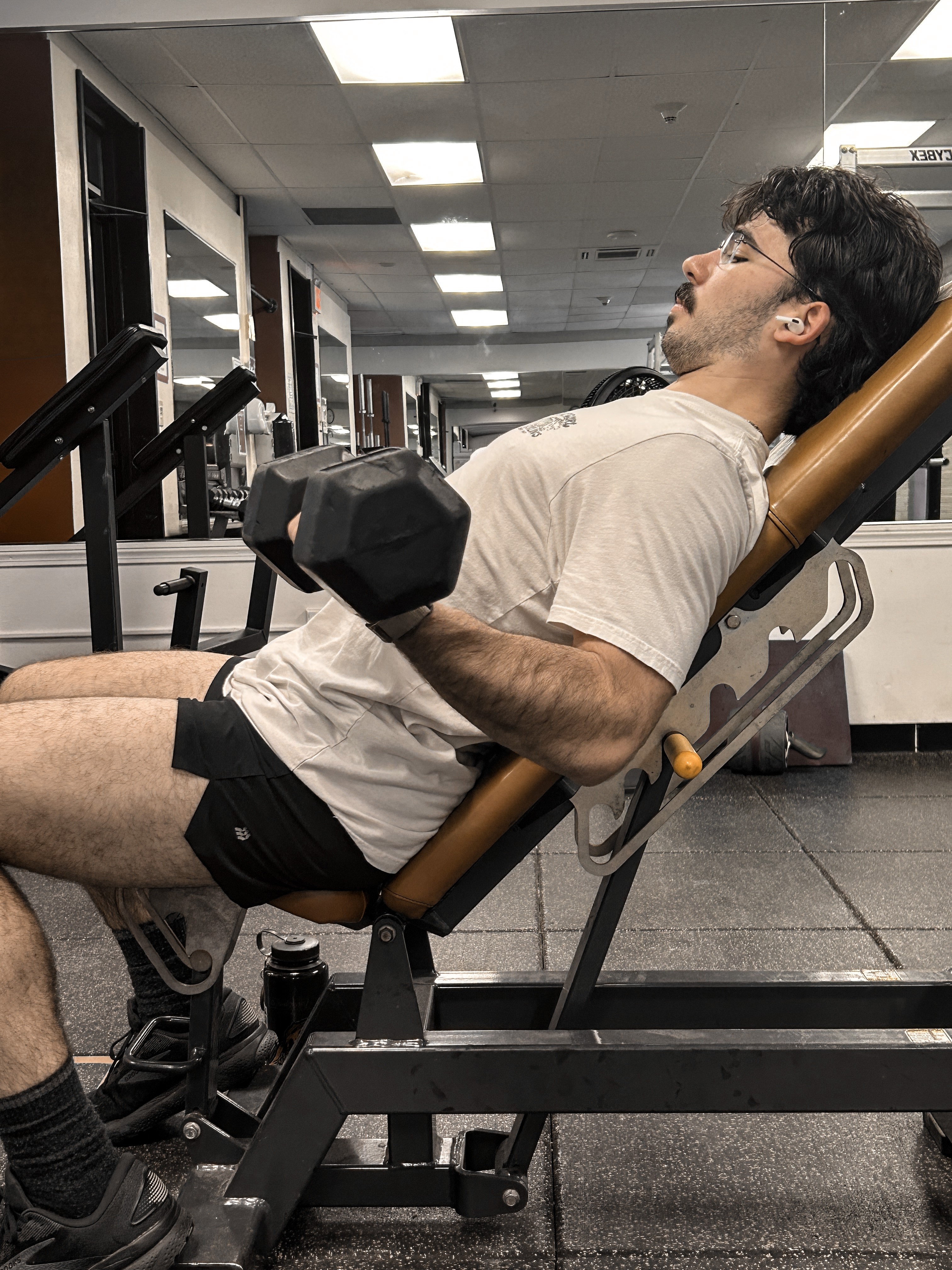

What is HIIT?
HIIT alternates brief bouts of very hard effort with periods of rest or low-intensity work. The hard intervals are typically performed at near-maximal effort, while recovery is intentionally incomplete.
A simple example:
- 20–40 seconds of hard effort (sprinting, cycling, rowing, sled pushes)
- 60–120 seconds of easy movement or rest
- Repeated for several rounds
What defines HIIT is not the exercise choice, but the intensity of the work intervals relative to your capacity.
Why HIIT Works
HIIT is effective because it compresses a strong physiological stimulus into a short time window. Key adaptations include:
- Improved cardiovascular fitness (VO₂ max)
- Increased insulin sensitivity
- Enhanced mitochondrial function
- Better tolerance to high effort and fatigue
Research consistently shows that HIIT can produce cardiovascular improvements comparable to longer steady-state training, often in less total time. However, efficiency comes at a cost: HIIT is demanding—metabolically, neurologically, and psychologically.
HIIT vs Traditional Cardio
HIIT is often framed as a replacement for steady-state cardio, but they stress the body differently.
HIIT
- Very time-efficient
- High intensity, high fatigue
- Greater recovery demand
- Strong stimulus for aerobic and anaerobic systems
Steady-State Training
- Lower intensity, longer duration
- Easier to recover from
- Builds aerobic base and general endurance
- Often more sustainable long term
Neither is inherently superior. They solve different problems.
When HIIT Makes Sense
HIIT tends to be a good fit if:
- You have limited training time
- You already have a base level of fitness
- Your sport or activity involves repeated high-effort bursts
- You enjoy hard, challenging sessions
It can also be useful in short phases when conditioning is a limiting factor — for example, when heavy lifting sessions feel breathless rather than muscularly challenging.
When HIIT Might Not Be the Best Choice
HIIT may be a poor fit if:
- You’re new to exercise or returning after a long break
- Recovery, sleep, or stress levels are already strained
- You’re prioritizing maximal strength or muscle growth
- You’re doing HIIT on top of an already high training volume
Because HIIT pushes close to maximal effort, it competes for recovery resources. Too much can stall progress elsewhere.
HIIT and Fat Loss: A Reality Check
HIIT is often promoted as superior for fat loss. In practice:
- Fat loss depends primarily on energy balance, not training style
- HIIT can modestly increase calorie burn, but so can longer moderate sessions
- Adherence matters more than intensity
HIIT can support fat loss if it helps you train consistently, but it’s far from magic.
How to Use HIIT Well
If you include HIIT, treat it like strength training:
- Limit frequency: 1–3 sessions per week is plenty
- Choose low-impact modalities when possible (bike, rower, sleds)
- Separate HIIT from heavy lifting days or reduce volume elsewhere
- Stop before quality collapses — intensity matters more than duration
Takeaway
HIIT can be a powerful tool for improving fitness quickly, but it’s not universally appropriate, and it’s not meant to replace all other forms of training. If it aligns with your goals, recovery, and preferences, it can be very effective. If it doesn’t, steady, moderate work done consistently will still take you very far. The right choice is the one that lets you train hard and keep showing up.
Sources & Resources
- Harvard Health Publishing - Safe and effective high-intensity interval training
- American College of Sports Medicine - High-Intensity Interval Training: For Fitness, for Health or Both?
- PubMed, NIH, McMaster University - Metabolic adaptations to short-term high-intensity interval training: a little pain for a lot of gain?
- PubMed, NIH, The University of Queensland, Norwegian University of Science and Technology - High-intensity interval training in patients with lifestyle-induced cardiometabolic disease: a systematic review and meta-analysis
- Jeff Nippard Fitness - The Worst Cardio Mistakes Most People Make For Fat Loss (Avoid These)


What Is HIIT and Is It Right for Me?
High-Intensity Interval Training, better known as HIIT, is often marketed as a faster, better way to get fit. Short workouts. Big burn. Maximum efficiency. But like most tools in training—neither a miracle nor a mistake—it’s a specific method with specific strengths and limits. Whether it’s right for you depends on your goals, experience, and recovery capacity.
Technique Tips
Advanced
What is HIIT?
HIIT alternates brief bouts of very hard effort with periods of rest or low-intensity work. The hard intervals are typically performed at near-maximal effort, while recovery is intentionally incomplete.
A simple example:
- 20–40 seconds of hard effort (sprinting, cycling, rowing, sled pushes)
- 60–120 seconds of easy movement or rest
- Repeated for several rounds
What defines HIIT is not the exercise choice, but the intensity of the work intervals relative to your capacity.
Why HIIT Works
HIIT is effective because it compresses a strong physiological stimulus into a short time window. Key adaptations include:
- Improved cardiovascular fitness (VO₂ max)
- Increased insulin sensitivity
- Enhanced mitochondrial function
- Better tolerance to high effort and fatigue
Research consistently shows that HIIT can produce cardiovascular improvements comparable to longer steady-state training, often in less total time. However, efficiency comes at a cost: HIIT is demanding—metabolically, neurologically, and psychologically.
HIIT vs Traditional Cardio
HIIT is often framed as a replacement for steady-state cardio, but they stress the body differently.
HIIT
- Very time-efficient
- High intensity, high fatigue
- Greater recovery demand
- Strong stimulus for aerobic and anaerobic systems
Steady-State Training
- Lower intensity, longer duration
- Easier to recover from
- Builds aerobic base and general endurance
- Often more sustainable long term
Neither is inherently superior. They solve different problems.
When HIIT Makes Sense
HIIT tends to be a good fit if:
- You have limited training time
- You already have a base level of fitness
- Your sport or activity involves repeated high-effort bursts
- You enjoy hard, challenging sessions
It can also be useful in short phases when conditioning is a limiting factor — for example, when heavy lifting sessions feel breathless rather than muscularly challenging.
When HIIT Might Not Be the Best Choice
HIIT may be a poor fit if:
- You’re new to exercise or returning after a long break
- Recovery, sleep, or stress levels are already strained
- You’re prioritizing maximal strength or muscle growth
- You’re doing HIIT on top of an already high training volume
Because HIIT pushes close to maximal effort, it competes for recovery resources. Too much can stall progress elsewhere.
HIIT and Fat Loss: A Reality Check
HIIT is often promoted as superior for fat loss. In practice:
- Fat loss depends primarily on energy balance, not training style
- HIIT can modestly increase calorie burn, but so can longer moderate sessions
- Adherence matters more than intensity
HIIT can support fat loss if it helps you train consistently, but it’s far from magic.
How to Use HIIT Well
If you include HIIT, treat it like strength training:
- Limit frequency: 1–3 sessions per week is plenty
- Choose low-impact modalities when possible (bike, rower, sleds)
- Separate HIIT from heavy lifting days or reduce volume elsewhere
- Stop before quality collapses — intensity matters more than duration
Takeaway
HIIT can be a powerful tool for improving fitness quickly, but it’s not universally appropriate, and it’s not meant to replace all other forms of training. If it aligns with your goals, recovery, and preferences, it can be very effective. If it doesn’t, steady, moderate work done consistently will still take you very far. The right choice is the one that lets you train hard and keep showing up.
Sources & Resources
- Harvard Health Publishing - Safe and effective high-intensity interval training
- American College of Sports Medicine - High-Intensity Interval Training: For Fitness, for Health or Both?
- PubMed, NIH, McMaster University - Metabolic adaptations to short-term high-intensity interval training: a little pain for a lot of gain?
- PubMed, NIH, The University of Queensland, Norwegian University of Science and Technology - High-intensity interval training in patients with lifestyle-induced cardiometabolic disease: a systematic review and meta-analysis
- Jeff Nippard Fitness - The Worst Cardio Mistakes Most People Make For Fat Loss (Avoid These)

What Is HIIT and Is It Right for Me?
High-Intensity Interval Training, better known as HIIT, is often marketed as a faster, better way to get fit. Short workouts. Big burn. Maximum efficiency. But like most tools in training—neither a miracle nor a mistake—it’s a specific method with specific strengths and limits. Whether it’s right for you depends on your goals, experience, and recovery capacity.
Technique Tips
Advanced
What is HIIT?
HIIT alternates brief bouts of very hard effort with periods of rest or low-intensity work. The hard intervals are typically performed at near-maximal effort, while recovery is intentionally incomplete.
A simple example:
- 20–40 seconds of hard effort (sprinting, cycling, rowing, sled pushes)
- 60–120 seconds of easy movement or rest
- Repeated for several rounds
What defines HIIT is not the exercise choice, but the intensity of the work intervals relative to your capacity.
Why HIIT Works
HIIT is effective because it compresses a strong physiological stimulus into a short time window. Key adaptations include:
- Improved cardiovascular fitness (VO₂ max)
- Increased insulin sensitivity
- Enhanced mitochondrial function
- Better tolerance to high effort and fatigue
Research consistently shows that HIIT can produce cardiovascular improvements comparable to longer steady-state training, often in less total time. However, efficiency comes at a cost: HIIT is demanding—metabolically, neurologically, and psychologically.
HIIT vs Traditional Cardio
HIIT is often framed as a replacement for steady-state cardio, but they stress the body differently.
HIIT
- Very time-efficient
- High intensity, high fatigue
- Greater recovery demand
- Strong stimulus for aerobic and anaerobic systems
Steady-State Training
- Lower intensity, longer duration
- Easier to recover from
- Builds aerobic base and general endurance
- Often more sustainable long term
Neither is inherently superior. They solve different problems.
When HIIT Makes Sense
HIIT tends to be a good fit if:
- You have limited training time
- You already have a base level of fitness
- Your sport or activity involves repeated high-effort bursts
- You enjoy hard, challenging sessions
It can also be useful in short phases when conditioning is a limiting factor — for example, when heavy lifting sessions feel breathless rather than muscularly challenging.
When HIIT Might Not Be the Best Choice
HIIT may be a poor fit if:
- You’re new to exercise or returning after a long break
- Recovery, sleep, or stress levels are already strained
- You’re prioritizing maximal strength or muscle growth
- You’re doing HIIT on top of an already high training volume
Because HIIT pushes close to maximal effort, it competes for recovery resources. Too much can stall progress elsewhere.
HIIT and Fat Loss: A Reality Check
HIIT is often promoted as superior for fat loss. In practice:
- Fat loss depends primarily on energy balance, not training style
- HIIT can modestly increase calorie burn, but so can longer moderate sessions
- Adherence matters more than intensity
HIIT can support fat loss if it helps you train consistently, but it’s far from magic.
How to Use HIIT Well
If you include HIIT, treat it like strength training:
- Limit frequency: 1–3 sessions per week is plenty
- Choose low-impact modalities when possible (bike, rower, sleds)
- Separate HIIT from heavy lifting days or reduce volume elsewhere
- Stop before quality collapses — intensity matters more than duration
Takeaway
HIIT can be a powerful tool for improving fitness quickly, but it’s not universally appropriate, and it’s not meant to replace all other forms of training. If it aligns with your goals, recovery, and preferences, it can be very effective. If it doesn’t, steady, moderate work done consistently will still take you very far. The right choice is the one that lets you train hard and keep showing up.
Sources & Resources
- Harvard Health Publishing - Safe and effective high-intensity interval training
- American College of Sports Medicine - High-Intensity Interval Training: For Fitness, for Health or Both?
- PubMed, NIH, McMaster University - Metabolic adaptations to short-term high-intensity interval training: a little pain for a lot of gain?
- PubMed, NIH, The University of Queensland, Norwegian University of Science and Technology - High-intensity interval training in patients with lifestyle-induced cardiometabolic disease: a systematic review and meta-analysis
- Jeff Nippard Fitness - The Worst Cardio Mistakes Most People Make For Fat Loss (Avoid These)

What Is HIIT and Is It Right for Me?
High-Intensity Interval Training, better known as HIIT, is often marketed as a faster, better way to get fit. Short workouts. Big burn. Maximum efficiency. But like most tools in training—neither a miracle nor a mistake—it’s a specific method with specific strengths and limits. Whether it’s right for you depends on your goals, experience, and recovery capacity.
Technique Tips
Beginner
What is HIIT?
HIIT alternates brief bouts of very hard effort with periods of rest or low-intensity work. The hard intervals are typically performed at near-maximal effort, while recovery is intentionally incomplete.
A simple example:
- 20–40 seconds of hard effort (sprinting, cycling, rowing, sled pushes)
- 60–120 seconds of easy movement or rest
- Repeated for several rounds
What defines HIIT is not the exercise choice, but the intensity of the work intervals relative to your capacity.
Why HIIT Works
HIIT is effective because it compresses a strong physiological stimulus into a short time window. Key adaptations include:
- Improved cardiovascular fitness (VO₂ max)
- Increased insulin sensitivity
- Enhanced mitochondrial function
- Better tolerance to high effort and fatigue
Research consistently shows that HIIT can produce cardiovascular improvements comparable to longer steady-state training, often in less total time. However, efficiency comes at a cost: HIIT is demanding—metabolically, neurologically, and psychologically.
HIIT vs Traditional Cardio
HIIT is often framed as a replacement for steady-state cardio, but they stress the body differently.
HIIT
- Very time-efficient
- High intensity, high fatigue
- Greater recovery demand
- Strong stimulus for aerobic and anaerobic systems
Steady-State Training
- Lower intensity, longer duration
- Easier to recover from
- Builds aerobic base and general endurance
- Often more sustainable long term
Neither is inherently superior. They solve different problems.
When HIIT Makes Sense
HIIT tends to be a good fit if:
- You have limited training time
- You already have a base level of fitness
- Your sport or activity involves repeated high-effort bursts
- You enjoy hard, challenging sessions
It can also be useful in short phases when conditioning is a limiting factor — for example, when heavy lifting sessions feel breathless rather than muscularly challenging.
When HIIT Might Not Be the Best Choice
HIIT may be a poor fit if:
- You’re new to exercise or returning after a long break
- Recovery, sleep, or stress levels are already strained
- You’re prioritizing maximal strength or muscle growth
- You’re doing HIIT on top of an already high training volume
Because HIIT pushes close to maximal effort, it competes for recovery resources. Too much can stall progress elsewhere.
HIIT and Fat Loss: A Reality Check
HIIT is often promoted as superior for fat loss. In practice:
- Fat loss depends primarily on energy balance, not training style
- HIIT can modestly increase calorie burn, but so can longer moderate sessions
- Adherence matters more than intensity
HIIT can support fat loss if it helps you train consistently, but it’s far from magic.
How to Use HIIT Well
If you include HIIT, treat it like strength training:
- Limit frequency: 1–3 sessions per week is plenty
- Choose low-impact modalities when possible (bike, rower, sleds)
- Separate HIIT from heavy lifting days or reduce volume elsewhere
- Stop before quality collapses — intensity matters more than duration
Takeaway
HIIT can be a powerful tool for improving fitness quickly, but it’s not universally appropriate, and it’s not meant to replace all other forms of training. If it aligns with your goals, recovery, and preferences, it can be very effective. If it doesn’t, steady, moderate work done consistently will still take you very far. The right choice is the one that lets you train hard and keep showing up.
Sources & Resources
- Harvard Health Publishing - Safe and effective high-intensity interval training
- American College of Sports Medicine - High-Intensity Interval Training: For Fitness, for Health or Both?
- PubMed, NIH, McMaster University - Metabolic adaptations to short-term high-intensity interval training: a little pain for a lot of gain?
- PubMed, NIH, The University of Queensland, Norwegian University of Science and Technology - High-intensity interval training in patients with lifestyle-induced cardiometabolic disease: a systematic review and meta-analysis
- Jeff Nippard Fitness - The Worst Cardio Mistakes Most People Make For Fat Loss (Avoid These)