
What Does Doing an Exercise “Right” Mean?
When people talk about “doing an exercise right,” they’re usually referring to two core things: moving safely (protecting your body) and moving effectively (stimulating the target muscles or systems to produce its intended result). Both matter for progress and long-term health, but neither looks exactly the same for every person.
Technique Tips
Beginner
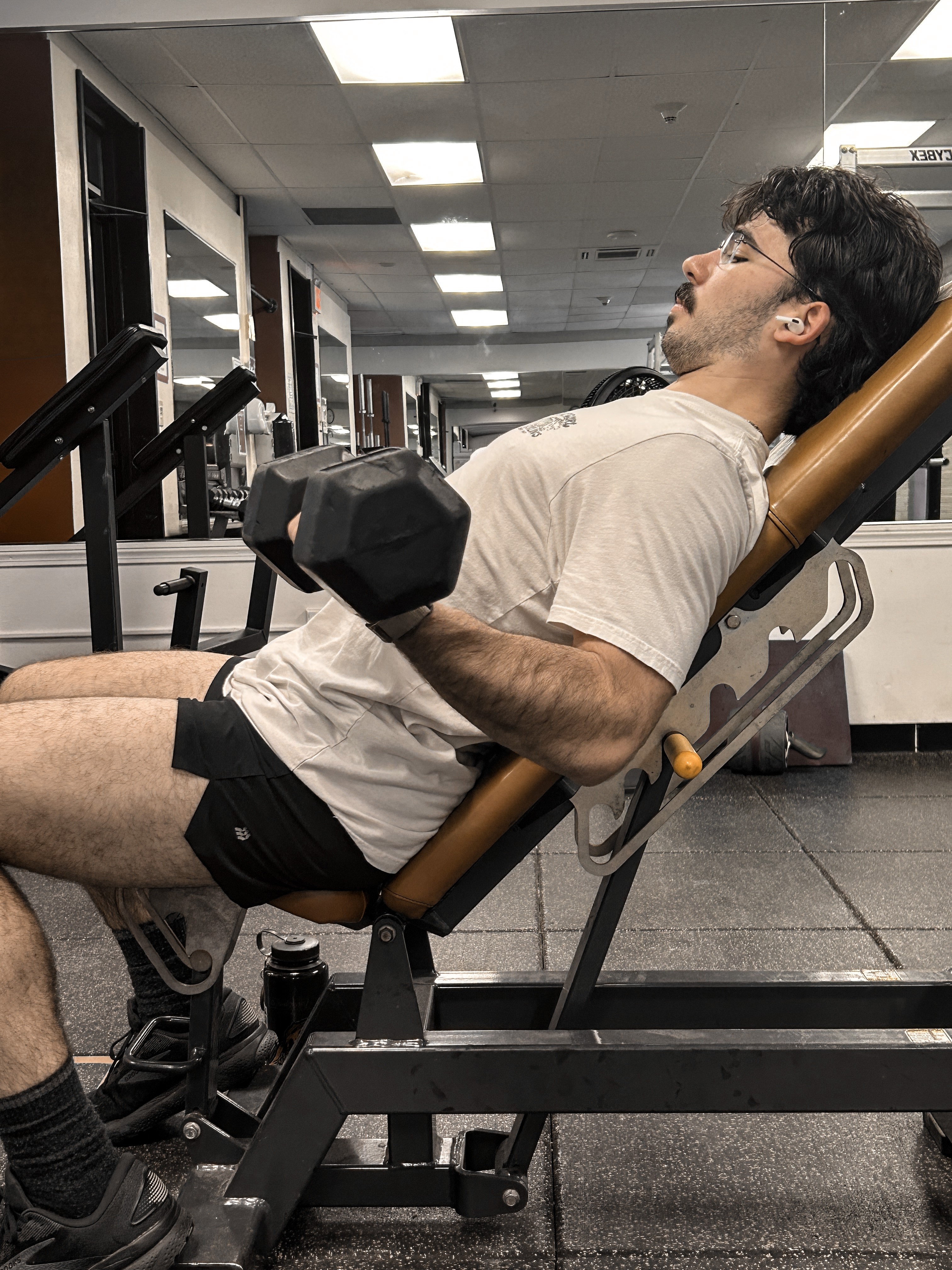
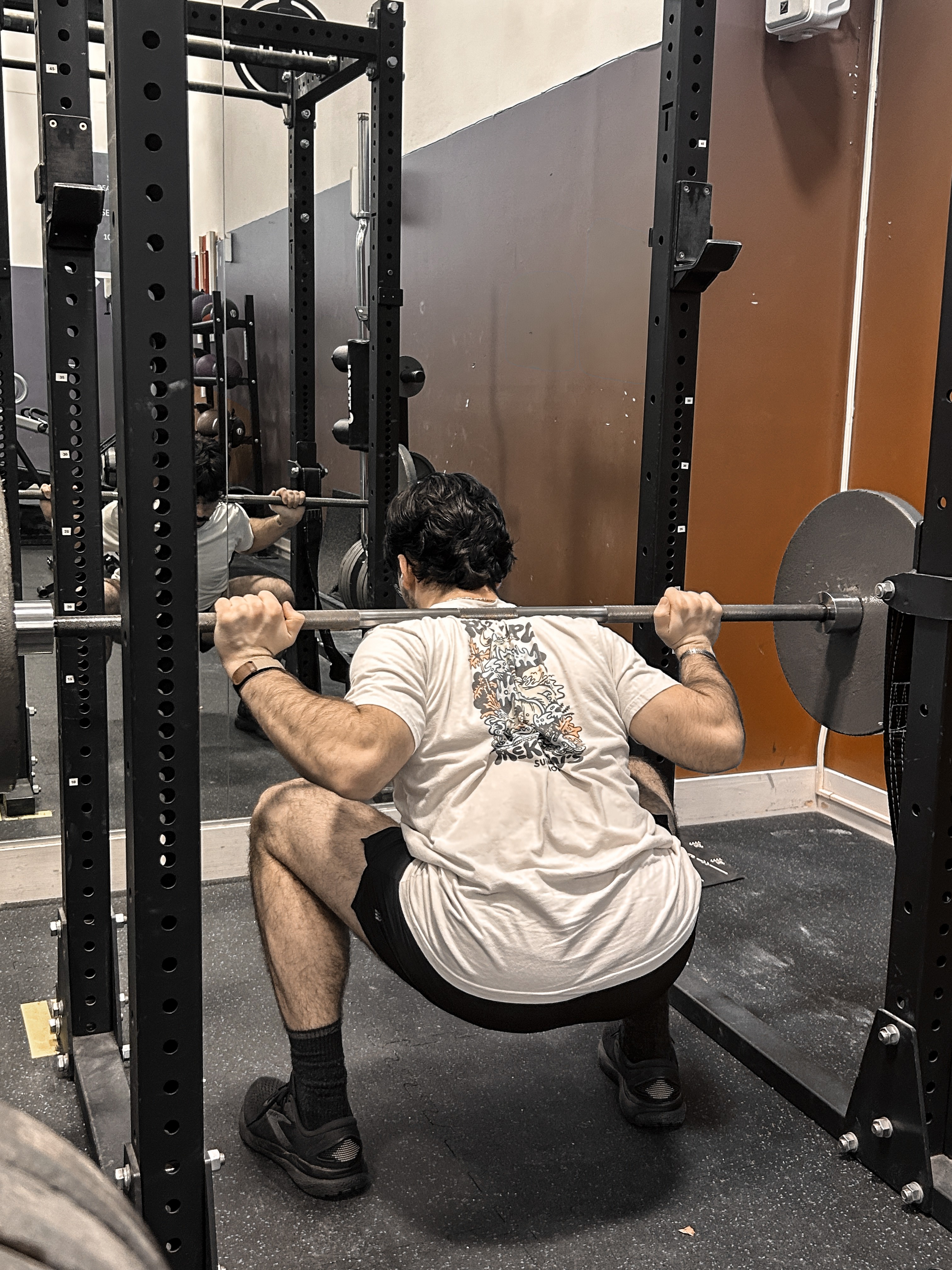
What We Mean by “Right”
Safe movement means your joints, muscles, and connective tissues are loaded in ways they can handle without excessive stress or injury. This isn’t about perfection but mechanics that minimize undue strain.
- Biomechanical alignment matters: for example, during a squat, keeping your knee aligned over the ankle (not collapsing inward or jutting far past toes) distributes forces more evenly across hips and knees, lowering injury risk.
- Controlled movement reduces risk: moving at a controlled tempo (rather than jerking or using momentum) keeps forces within the structural limits of muscles and tendons.
- Appropriate progression: building intensity, range, or load gradually rather than all at once allows connective tissues and neuromuscular control to adapt and reduces overuse injuries.
Safety isn’t a one-size-fits-all prescription. Age, mobility, previous injuries, and goals change how “safe form” looks in practice. Safe form helps you train consistently—uninterrupted by injury—which is the foundation of long-term progress.
Effectiveness: Targeting the Right Adaptations
Effectiveness means the exercise actually does what it’s supposed to do, whether that’s strengthening a specific muscle, improving endurance, or enhancing mobility.
- Muscle recruitment depends on technique: when form lets the intended muscle work without compensation from other muscles, you’ll see better strength and hypertrophy adaptations.
- Biomechanical loading shapes stimulus: slight shifts in position can change which tissues are stressed. For example, a forward lean in a squat pattern can shift load from quads to lower back.
- Nervous system learning matters: repeated practice with good technique strengthens neuromuscular patterns, making movements more efficient over time.
A movement can be “safe” but not very effective if it doesn’t sufficiently load or challenge the systems you’re trying to improve.
The ideal “right” technique balances both safety and effectiveness. When done correctly:
- Risk of injury drops. Forces are distributed appropriately through joints and muscles.
- Stimulus matches the goal. Target muscles get worked, cardiovascular demands are met, or mobility improves, depending on the exercise.
For example:
- Squat: neutral spine + knees tracking over toes + depth that matches your mobility keeps compressive forces on the joints manageable and effectively loads quads and glutes.
- Deadlift: keeping the back neutral and using hip hinge mechanics places load on posterior chain muscles (glutes, hamstrings) and protects the lower back.
- Push-up: stable scapulae and core bracing reduce shoulder strain and help your chest and triceps do more of the work.
These crucial aspects of any lift are the tools that we use to challenge our muscles. So while lifting the weight all the way up and down may feel like doing the exercise correctly, without the appropriate load and form, we won’t get the gains from stretching and squeezing the muscle adequately.
One way you can test the intensity of a lift is by noticing how difficult it is for you to resist the lowering down of a weight (the eccentric part of the movement); in other words, how successfully you can fight against gravity. This may seem counterintuitive, but it’s a less subjective way to calculate difficulty than thinking about how easy it is for you to lift a weight.
On a squat for example, see how slowly you can descend bearing the weight. If it feels like you could take as long as you want on the eccentric for multiple reps, that weight may represents a good warmup set, but isn’t capable of forcing your muscles to adapt. Check out our article about Finding the Right Exercise Intensity to learn more about this aspect of technique.
Misconceptions About “Perfect” Form
A few points worth clearing up:
- There isn’t one universal “perfect” way to move for every person. Human bodies vary, and good movement exists within ranges rather than single fixed postures.
- Obsessing over tiny deviations can sometimes distract from bigger goals like consistency and progression. Good enough, controlled form that lets you progress is often better than rigidly trying to hit textbook positions every rep.
So ask some practical questions instead of chasing perfection:
- Am I engaging the target muscles?
- Does this feel controlled and stable?
- Am I progressing over weeks or months?
Practical Takeaways
- Learn basics first: start with foundational mechanics before adding heavy loads.
- Use mirrors, video, or coaching: seeing yourself helps correct compensations early.
- Prioritize consistency: safe, effective movement that you can do regularly beats sporadic perfect reps.
- Be mindful, not fearful: some variability in movement is natural and often healthy.
Doing exercises “right” means aligning your movement with safety and your goals, not chasing a mythical perfect rep, but building mechanics that let you train hard, train safe, and keep showing up.
Sources & Resources
- IDEA Health & Fitness Association - Biomechanic Basics for Safe, Effective, Efficient Workouts
- Baye - Safety Considerations for Exercise
- OrthoInfo - Safe Exercise
- TRAK - Exercise Technique: Is It Really That Important?
- SportRxiv - Stretch vs Squeeze: The Impact of Varying Resistance Challenge at Long vs Short Muscle Lengths. A Randomized Controlled Trial
- Strength and Conditioning Journal - Should We Classify Exercises as Good Versus Bad?
- NIH, PubMed, University of Valencia Department of Physical Education and Sports, The Physician and Sportsmedicine - Technique and Safety Aspects of Resistance Exercises: A Systematic Review of the Literature
- GFFI Fitness - Corrective Exercises are Integral Part of Biomechanics
- Peak Fitness - The Vital Importance of Proper Form in Exercise: Preventing Injuries and Maximizing Results


What Does Doing an Exercise “Right” Mean?
When people talk about “doing an exercise right,” they’re usually referring to two core things: moving safely (protecting your body) and moving effectively (stimulating the target muscles or systems to produce its intended result). Both matter for progress and long-term health, but neither looks exactly the same for every person.
Technique Tips
Beginner
What We Mean by “Right”
Safe movement means your joints, muscles, and connective tissues are loaded in ways they can handle without excessive stress or injury. This isn’t about perfection but mechanics that minimize undue strain.
- Biomechanical alignment matters: for example, during a squat, keeping your knee aligned over the ankle (not collapsing inward or jutting far past toes) distributes forces more evenly across hips and knees, lowering injury risk.
- Controlled movement reduces risk: moving at a controlled tempo (rather than jerking or using momentum) keeps forces within the structural limits of muscles and tendons.
- Appropriate progression: building intensity, range, or load gradually rather than all at once allows connective tissues and neuromuscular control to adapt and reduces overuse injuries.
Safety isn’t a one-size-fits-all prescription. Age, mobility, previous injuries, and goals change how “safe form” looks in practice. Safe form helps you train consistently—uninterrupted by injury—which is the foundation of long-term progress.
Effectiveness: Targeting the Right Adaptations
Effectiveness means the exercise actually does what it’s supposed to do, whether that’s strengthening a specific muscle, improving endurance, or enhancing mobility.
- Muscle recruitment depends on technique: when form lets the intended muscle work without compensation from other muscles, you’ll see better strength and hypertrophy adaptations.
- Biomechanical loading shapes stimulus: slight shifts in position can change which tissues are stressed. For example, a forward lean in a squat pattern can shift load from quads to lower back.
- Nervous system learning matters: repeated practice with good technique strengthens neuromuscular patterns, making movements more efficient over time.
A movement can be “safe” but not very effective if it doesn’t sufficiently load or challenge the systems you’re trying to improve.
The ideal “right” technique balances both safety and effectiveness. When done correctly:
- Risk of injury drops. Forces are distributed appropriately through joints and muscles.
- Stimulus matches the goal. Target muscles get worked, cardiovascular demands are met, or mobility improves, depending on the exercise.
For example:
- Squat: neutral spine + knees tracking over toes + depth that matches your mobility keeps compressive forces on the joints manageable and effectively loads quads and glutes.
- Deadlift: keeping the back neutral and using hip hinge mechanics places load on posterior chain muscles (glutes, hamstrings) and protects the lower back.
- Push-up: stable scapulae and core bracing reduce shoulder strain and help your chest and triceps do more of the work.
These crucial aspects of any lift are the tools that we use to challenge our muscles. So while lifting the weight all the way up and down may feel like doing the exercise correctly, without the appropriate load and form, we won’t get the gains from stretching and squeezing the muscle adequately.
One way you can test the intensity of a lift is by noticing how difficult it is for you to resist the lowering down of a weight (the eccentric part of the movement); in other words, how successfully you can fight against gravity. This may seem counterintuitive, but it’s a less subjective way to calculate difficulty than thinking about how easy it is for you to lift a weight.
On a squat for example, see how slowly you can descend bearing the weight. If it feels like you could take as long as you want on the eccentric for multiple reps, that weight may represents a good warmup set, but isn’t capable of forcing your muscles to adapt. Check out our article about Finding the Right Exercise Intensity to learn more about this aspect of technique.
Misconceptions About “Perfect” Form
A few points worth clearing up:
- There isn’t one universal “perfect” way to move for every person. Human bodies vary, and good movement exists within ranges rather than single fixed postures.
- Obsessing over tiny deviations can sometimes distract from bigger goals like consistency and progression. Good enough, controlled form that lets you progress is often better than rigidly trying to hit textbook positions every rep.
So ask some practical questions instead of chasing perfection:
- Am I engaging the target muscles?
- Does this feel controlled and stable?
- Am I progressing over weeks or months?
Practical Takeaways
- Learn basics first: start with foundational mechanics before adding heavy loads.
- Use mirrors, video, or coaching: seeing yourself helps correct compensations early.
- Prioritize consistency: safe, effective movement that you can do regularly beats sporadic perfect reps.
- Be mindful, not fearful: some variability in movement is natural and often healthy.
Doing exercises “right” means aligning your movement with safety and your goals, not chasing a mythical perfect rep, but building mechanics that let you train hard, train safe, and keep showing up.
Sources & Resources
- IDEA Health & Fitness Association - Biomechanic Basics for Safe, Effective, Efficient Workouts
- Baye - Safety Considerations for Exercise
- OrthoInfo - Safe Exercise
- TRAK - Exercise Technique: Is It Really That Important?
- SportRxiv - Stretch vs Squeeze: The Impact of Varying Resistance Challenge at Long vs Short Muscle Lengths. A Randomized Controlled Trial
- Strength and Conditioning Journal - Should We Classify Exercises as Good Versus Bad?
- NIH, PubMed, University of Valencia Department of Physical Education and Sports, The Physician and Sportsmedicine - Technique and Safety Aspects of Resistance Exercises: A Systematic Review of the Literature
- GFFI Fitness - Corrective Exercises are Integral Part of Biomechanics
- Peak Fitness - The Vital Importance of Proper Form in Exercise: Preventing Injuries and Maximizing Results

What Does Doing an Exercise “Right” Mean?
When people talk about “doing an exercise right,” they’re usually referring to two core things: moving safely (protecting your body) and moving effectively (stimulating the target muscles or systems to produce its intended result). Both matter for progress and long-term health, but neither looks exactly the same for every person.
Technique Tips
Beginner
What We Mean by “Right”
Safe movement means your joints, muscles, and connective tissues are loaded in ways they can handle without excessive stress or injury. This isn’t about perfection but mechanics that minimize undue strain.
- Biomechanical alignment matters: for example, during a squat, keeping your knee aligned over the ankle (not collapsing inward or jutting far past toes) distributes forces more evenly across hips and knees, lowering injury risk.
- Controlled movement reduces risk: moving at a controlled tempo (rather than jerking or using momentum) keeps forces within the structural limits of muscles and tendons.
- Appropriate progression: building intensity, range, or load gradually rather than all at once allows connective tissues and neuromuscular control to adapt and reduces overuse injuries.
Safety isn’t a one-size-fits-all prescription. Age, mobility, previous injuries, and goals change how “safe form” looks in practice. Safe form helps you train consistently—uninterrupted by injury—which is the foundation of long-term progress.
Effectiveness: Targeting the Right Adaptations
Effectiveness means the exercise actually does what it’s supposed to do, whether that’s strengthening a specific muscle, improving endurance, or enhancing mobility.
- Muscle recruitment depends on technique: when form lets the intended muscle work without compensation from other muscles, you’ll see better strength and hypertrophy adaptations.
- Biomechanical loading shapes stimulus: slight shifts in position can change which tissues are stressed. For example, a forward lean in a squat pattern can shift load from quads to lower back.
- Nervous system learning matters: repeated practice with good technique strengthens neuromuscular patterns, making movements more efficient over time.
A movement can be “safe” but not very effective if it doesn’t sufficiently load or challenge the systems you’re trying to improve.
The ideal “right” technique balances both safety and effectiveness. When done correctly:
- Risk of injury drops. Forces are distributed appropriately through joints and muscles.
- Stimulus matches the goal. Target muscles get worked, cardiovascular demands are met, or mobility improves, depending on the exercise.
For example:
- Squat: neutral spine + knees tracking over toes + depth that matches your mobility keeps compressive forces on the joints manageable and effectively loads quads and glutes.
- Deadlift: keeping the back neutral and using hip hinge mechanics places load on posterior chain muscles (glutes, hamstrings) and protects the lower back.
- Push-up: stable scapulae and core bracing reduce shoulder strain and help your chest and triceps do more of the work.
These crucial aspects of any lift are the tools that we use to challenge our muscles. So while lifting the weight all the way up and down may feel like doing the exercise correctly, without the appropriate load and form, we won’t get the gains from stretching and squeezing the muscle adequately.
One way you can test the intensity of a lift is by noticing how difficult it is for you to resist the lowering down of a weight (the eccentric part of the movement); in other words, how successfully you can fight against gravity. This may seem counterintuitive, but it’s a less subjective way to calculate difficulty than thinking about how easy it is for you to lift a weight.
On a squat for example, see how slowly you can descend bearing the weight. If it feels like you could take as long as you want on the eccentric for multiple reps, that weight may represents a good warmup set, but isn’t capable of forcing your muscles to adapt. Check out our article about Finding the Right Exercise Intensity to learn more about this aspect of technique.
Misconceptions About “Perfect” Form
A few points worth clearing up:
- There isn’t one universal “perfect” way to move for every person. Human bodies vary, and good movement exists within ranges rather than single fixed postures.
- Obsessing over tiny deviations can sometimes distract from bigger goals like consistency and progression. Good enough, controlled form that lets you progress is often better than rigidly trying to hit textbook positions every rep.
So ask some practical questions instead of chasing perfection:
- Am I engaging the target muscles?
- Does this feel controlled and stable?
- Am I progressing over weeks or months?
Practical Takeaways
- Learn basics first: start with foundational mechanics before adding heavy loads.
- Use mirrors, video, or coaching: seeing yourself helps correct compensations early.
- Prioritize consistency: safe, effective movement that you can do regularly beats sporadic perfect reps.
- Be mindful, not fearful: some variability in movement is natural and often healthy.
Doing exercises “right” means aligning your movement with safety and your goals, not chasing a mythical perfect rep, but building mechanics that let you train hard, train safe, and keep showing up.
Sources & Resources
- IDEA Health & Fitness Association - Biomechanic Basics for Safe, Effective, Efficient Workouts
- Baye - Safety Considerations for Exercise
- OrthoInfo - Safe Exercise
- TRAK - Exercise Technique: Is It Really That Important?
- SportRxiv - Stretch vs Squeeze: The Impact of Varying Resistance Challenge at Long vs Short Muscle Lengths. A Randomized Controlled Trial
- Strength and Conditioning Journal - Should We Classify Exercises as Good Versus Bad?
- NIH, PubMed, University of Valencia Department of Physical Education and Sports, The Physician and Sportsmedicine - Technique and Safety Aspects of Resistance Exercises: A Systematic Review of the Literature
- GFFI Fitness - Corrective Exercises are Integral Part of Biomechanics
- Peak Fitness - The Vital Importance of Proper Form in Exercise: Preventing Injuries and Maximizing Results

What Does Doing an Exercise “Right” Mean?
When people talk about “doing an exercise right,” they’re usually referring to two core things: moving safely (protecting your body) and moving effectively (stimulating the target muscles or systems to produce its intended result). Both matter for progress and long-term health, but neither looks exactly the same for every person.
Technique Tips
Beginner
What We Mean by “Right”
Safe movement means your joints, muscles, and connective tissues are loaded in ways they can handle without excessive stress or injury. This isn’t about perfection but mechanics that minimize undue strain.
- Biomechanical alignment matters: for example, during a squat, keeping your knee aligned over the ankle (not collapsing inward or jutting far past toes) distributes forces more evenly across hips and knees, lowering injury risk.
- Controlled movement reduces risk: moving at a controlled tempo (rather than jerking or using momentum) keeps forces within the structural limits of muscles and tendons.
- Appropriate progression: building intensity, range, or load gradually rather than all at once allows connective tissues and neuromuscular control to adapt and reduces overuse injuries.
Safety isn’t a one-size-fits-all prescription. Age, mobility, previous injuries, and goals change how “safe form” looks in practice. Safe form helps you train consistently—uninterrupted by injury—which is the foundation of long-term progress.
Effectiveness: Targeting the Right Adaptations
Effectiveness means the exercise actually does what it’s supposed to do, whether that’s strengthening a specific muscle, improving endurance, or enhancing mobility.
- Muscle recruitment depends on technique: when form lets the intended muscle work without compensation from other muscles, you’ll see better strength and hypertrophy adaptations.
- Biomechanical loading shapes stimulus: slight shifts in position can change which tissues are stressed. For example, a forward lean in a squat pattern can shift load from quads to lower back.
- Nervous system learning matters: repeated practice with good technique strengthens neuromuscular patterns, making movements more efficient over time.
A movement can be “safe” but not very effective if it doesn’t sufficiently load or challenge the systems you’re trying to improve.
The ideal “right” technique balances both safety and effectiveness. When done correctly:
- Risk of injury drops. Forces are distributed appropriately through joints and muscles.
- Stimulus matches the goal. Target muscles get worked, cardiovascular demands are met, or mobility improves, depending on the exercise.
For example:
- Squat: neutral spine + knees tracking over toes + depth that matches your mobility keeps compressive forces on the joints manageable and effectively loads quads and glutes.
- Deadlift: keeping the back neutral and using hip hinge mechanics places load on posterior chain muscles (glutes, hamstrings) and protects the lower back.
- Push-up: stable scapulae and core bracing reduce shoulder strain and help your chest and triceps do more of the work.
These crucial aspects of any lift are the tools that we use to challenge our muscles. So while lifting the weight all the way up and down may feel like doing the exercise correctly, without the appropriate load and form, we won’t get the gains from stretching and squeezing the muscle adequately.
One way you can test the intensity of a lift is by noticing how difficult it is for you to resist the lowering down of a weight (the eccentric part of the movement); in other words, how successfully you can fight against gravity. This may seem counterintuitive, but it’s a less subjective way to calculate difficulty than thinking about how easy it is for you to lift a weight.
On a squat for example, see how slowly you can descend bearing the weight. If it feels like you could take as long as you want on the eccentric for multiple reps, that weight may represents a good warmup set, but isn’t capable of forcing your muscles to adapt. Check out our article about Finding the Right Exercise Intensity to learn more about this aspect of technique.
Misconceptions About “Perfect” Form
A few points worth clearing up:
- There isn’t one universal “perfect” way to move for every person. Human bodies vary, and good movement exists within ranges rather than single fixed postures.
- Obsessing over tiny deviations can sometimes distract from bigger goals like consistency and progression. Good enough, controlled form that lets you progress is often better than rigidly trying to hit textbook positions every rep.
So ask some practical questions instead of chasing perfection:
- Am I engaging the target muscles?
- Does this feel controlled and stable?
- Am I progressing over weeks or months?
Practical Takeaways
- Learn basics first: start with foundational mechanics before adding heavy loads.
- Use mirrors, video, or coaching: seeing yourself helps correct compensations early.
- Prioritize consistency: safe, effective movement that you can do regularly beats sporadic perfect reps.
- Be mindful, not fearful: some variability in movement is natural and often healthy.
Doing exercises “right” means aligning your movement with safety and your goals, not chasing a mythical perfect rep, but building mechanics that let you train hard, train safe, and keep showing up.
Sources & Resources
- IDEA Health & Fitness Association - Biomechanic Basics for Safe, Effective, Efficient Workouts
- Baye - Safety Considerations for Exercise
- OrthoInfo - Safe Exercise
- TRAK - Exercise Technique: Is It Really That Important?
- SportRxiv - Stretch vs Squeeze: The Impact of Varying Resistance Challenge at Long vs Short Muscle Lengths. A Randomized Controlled Trial
- Strength and Conditioning Journal - Should We Classify Exercises as Good Versus Bad?
- NIH, PubMed, University of Valencia Department of Physical Education and Sports, The Physician and Sportsmedicine - Technique and Safety Aspects of Resistance Exercises: A Systematic Review of the Literature
- GFFI Fitness - Corrective Exercises are Integral Part of Biomechanics
- Peak Fitness - The Vital Importance of Proper Form in Exercise: Preventing Injuries and Maximizing Results