
How to Find the Right Exercise Intensity
Getting exercise intensity “right” is about training at the right effort level for your goals and your body. Too easy and you won’t trigger adaptation; too hard and you risk burnout or injury. The key is understanding what intensity really means, how you can measure it, and how to tune it to where you are right now.
Technique Tips
Beginner
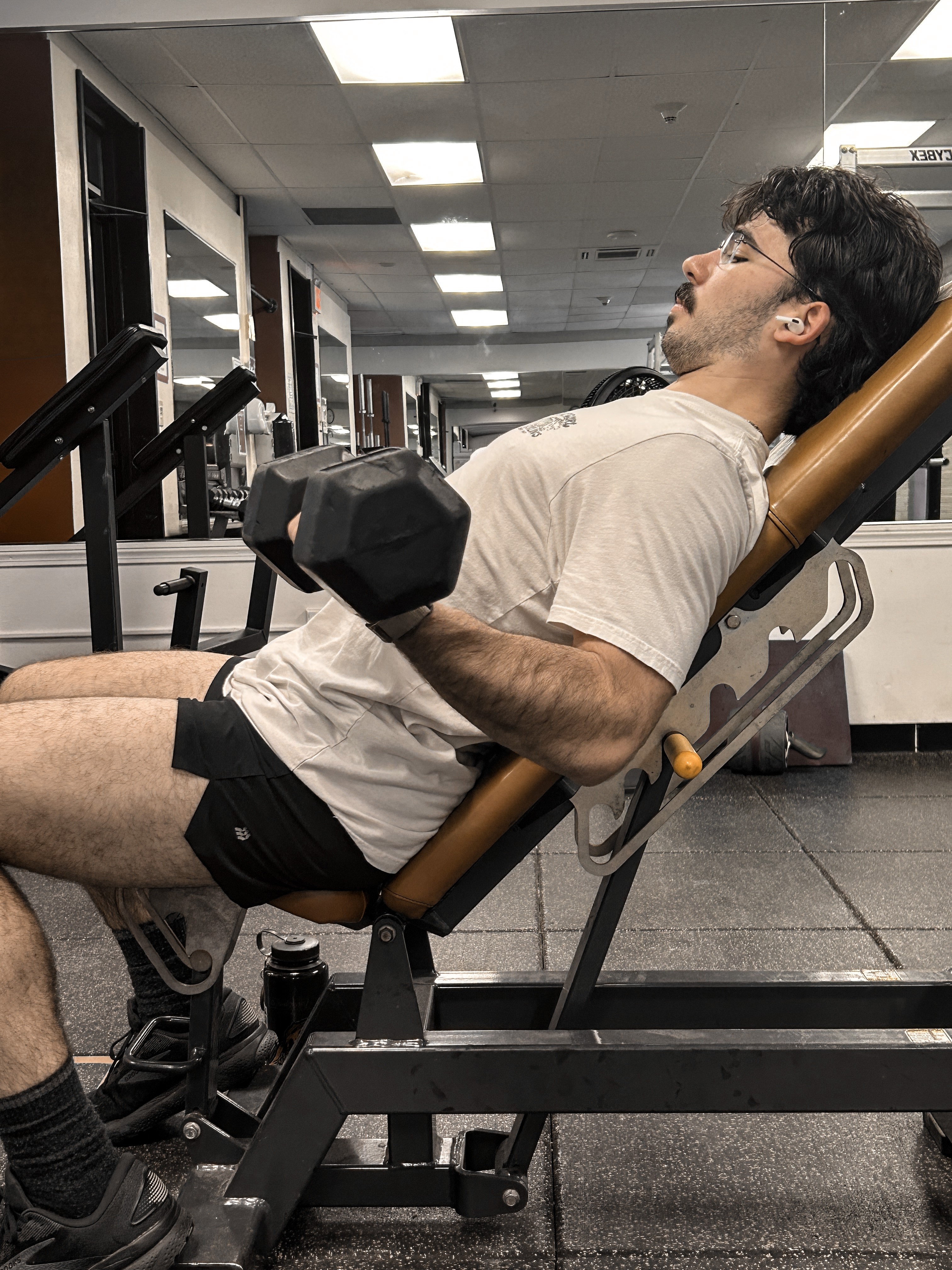
What Does “Intensity” Even Mean?
Exercise intensity is simply how hard your body is working during physical activity. It directly influences the adaptations you get, whether that’s improving cardiovascular fitness, building strength, or burning calories.
Intensity is often described in broad categories:
- Low intensity: easy effort, minimal breathlessness
- Moderate intensity: noticeable effort, increased breathing, you can talk but not sing
- Vigorous intensity: hard work, deep breathing, conversation feels difficult or impossible
These categories are anchored in physiology, not just sensation. Public health organizations recommend adults get a mix of moderate and vigorous activity each week to support health.
How to Gauge Your Intensity
There are three practical ways to determine how hard you’re exercising:
- Perceived Exertion (How It Feels)
You can use the Rate of Perceived Exertion (RPE) scale. This is a common method in competitive powerlifting. On a simple 0–10 version, 0 is resting and 10 is maximum effort, after which another rep is physically impossible. An RPE of 5–6 feels like moderate effort and 7–8+ feels vigorous. This method is flexible and works across cardio and strength training and adapts to daily energy levels. Your RPE will change day to day, and that’s a strength, not a flaw; it reflects real readiness to work hard.
- Heart Rate Monitoring
Your heart rate gives a physiological window into intensity. While formulas like 220 minus age are rough estimates (and imperfect for many people), most adults fall into broad zones such as:
- Moderate: ~50–70% of max heart rate
- Vigorous: ~70–85% of max heart rate
These zones align with increases in breathing and cardiovascular demand. Heart rate is useful especially for aerobic training, but devices and formulas have limits — individual variability means your actual zones may shift. Many coaches emphasize combining heart data with subjective effort.
- The Talk Test
This simple test bridges physiology and perception: if you can talk comfortably while exercising, you’re likely in a low to moderate zone. If you can only manage short phrases before needing a breath, you’re working at vigorous intensity.
What Intensity Looks Like in Practice
Exercise intensity is tied to how long and how often you train:
- Moderate endurance work like brisk walking, steady cycling, or easy jogging helps build aerobic capacity and supports general health.
- Vigorous efforts such as faster runs, interval training, or challenging circuits improve fitness faster but also increase recovery demands.
For strength training, intensity translates into how close you push to muscular fatigue. A set that feels like an RPE 7–8 (you could do only a few more reps) typically loads the muscles sufficiently to drive strength and growth.
Why “Right” Isn’t the Same for Everyone
Your ideal intensity depends on goals and individual context:
- If your goal is general health, steady moderate intensity most days meets key guidelines.
- Training for performance often requires planned cycles of moderate, hard, and recovery sessions.
- Beginners benefit from starting on the lower end of intensity and progressing gradually.
- Even advanced athletes tune intensity with RPE, heart rate data, and performance feedback rather than chasing high effort every session.
Intensity is relative. What feels hard to one person may feel easy to another, and that’s okay. The best measure of the “right” intensity is one that challenges you safely and sustainably.
Smart Intensity Progression
A few principles make intensity work for you:
- Start where you are: don’t jump into vigorous training before your body is ready.
- Mix it up: alternating moderate and vigorous days helps balance stimulus and recovery.
- Use feedback: RPE, heart rate trends, and how you feel the next day inform whether you’re on target.
- Avoid “all-out” all the time: consistently maximal efforts increase risk of fatigue and injury without proportional benefit.
Final Notes
It may not be worth your time trying to hit exact numbers every time. Finding the right intensity is about choosing efforts that match your goals, learning how to listen to your body, and adjusting based on progress and recovery. Training becomes more effective and more sustainable when you combine subjective awareness with objective markers like heart rate or RPE.
Sources & Resources


How to Find the Right Exercise Intensity
Getting exercise intensity “right” is about training at the right effort level for your goals and your body. Too easy and you won’t trigger adaptation; too hard and you risk burnout or injury. The key is understanding what intensity really means, how you can measure it, and how to tune it to where you are right now.
Technique Tips
Beginner
What Does “Intensity” Even Mean?
Exercise intensity is simply how hard your body is working during physical activity. It directly influences the adaptations you get, whether that’s improving cardiovascular fitness, building strength, or burning calories.
Intensity is often described in broad categories:
- Low intensity: easy effort, minimal breathlessness
- Moderate intensity: noticeable effort, increased breathing, you can talk but not sing
- Vigorous intensity: hard work, deep breathing, conversation feels difficult or impossible
These categories are anchored in physiology, not just sensation. Public health organizations recommend adults get a mix of moderate and vigorous activity each week to support health.
How to Gauge Your Intensity
There are three practical ways to determine how hard you’re exercising:
- Perceived Exertion (How It Feels)
You can use the Rate of Perceived Exertion (RPE) scale. This is a common method in competitive powerlifting. On a simple 0–10 version, 0 is resting and 10 is maximum effort, after which another rep is physically impossible. An RPE of 5–6 feels like moderate effort and 7–8+ feels vigorous. This method is flexible and works across cardio and strength training and adapts to daily energy levels. Your RPE will change day to day, and that’s a strength, not a flaw; it reflects real readiness to work hard.
- Heart Rate Monitoring
Your heart rate gives a physiological window into intensity. While formulas like 220 minus age are rough estimates (and imperfect for many people), most adults fall into broad zones such as:
- Moderate: ~50–70% of max heart rate
- Vigorous: ~70–85% of max heart rate
These zones align with increases in breathing and cardiovascular demand. Heart rate is useful especially for aerobic training, but devices and formulas have limits — individual variability means your actual zones may shift. Many coaches emphasize combining heart data with subjective effort.
- The Talk Test
This simple test bridges physiology and perception: if you can talk comfortably while exercising, you’re likely in a low to moderate zone. If you can only manage short phrases before needing a breath, you’re working at vigorous intensity.
What Intensity Looks Like in Practice
Exercise intensity is tied to how long and how often you train:
- Moderate endurance work like brisk walking, steady cycling, or easy jogging helps build aerobic capacity and supports general health.
- Vigorous efforts such as faster runs, interval training, or challenging circuits improve fitness faster but also increase recovery demands.
For strength training, intensity translates into how close you push to muscular fatigue. A set that feels like an RPE 7–8 (you could do only a few more reps) typically loads the muscles sufficiently to drive strength and growth.
Why “Right” Isn’t the Same for Everyone
Your ideal intensity depends on goals and individual context:
- If your goal is general health, steady moderate intensity most days meets key guidelines.
- Training for performance often requires planned cycles of moderate, hard, and recovery sessions.
- Beginners benefit from starting on the lower end of intensity and progressing gradually.
- Even advanced athletes tune intensity with RPE, heart rate data, and performance feedback rather than chasing high effort every session.
Intensity is relative. What feels hard to one person may feel easy to another, and that’s okay. The best measure of the “right” intensity is one that challenges you safely and sustainably.
Smart Intensity Progression
A few principles make intensity work for you:
- Start where you are: don’t jump into vigorous training before your body is ready.
- Mix it up: alternating moderate and vigorous days helps balance stimulus and recovery.
- Use feedback: RPE, heart rate trends, and how you feel the next day inform whether you’re on target.
- Avoid “all-out” all the time: consistently maximal efforts increase risk of fatigue and injury without proportional benefit.
Final Notes
It may not be worth your time trying to hit exact numbers every time. Finding the right intensity is about choosing efforts that match your goals, learning how to listen to your body, and adjusting based on progress and recovery. Training becomes more effective and more sustainable when you combine subjective awareness with objective markers like heart rate or RPE.
Sources & Resources

How to Find the Right Exercise Intensity
Getting exercise intensity “right” is about training at the right effort level for your goals and your body. Too easy and you won’t trigger adaptation; too hard and you risk burnout or injury. The key is understanding what intensity really means, how you can measure it, and how to tune it to where you are right now.
Technique Tips
Beginner
What Does “Intensity” Even Mean?
Exercise intensity is simply how hard your body is working during physical activity. It directly influences the adaptations you get, whether that’s improving cardiovascular fitness, building strength, or burning calories.
Intensity is often described in broad categories:
- Low intensity: easy effort, minimal breathlessness
- Moderate intensity: noticeable effort, increased breathing, you can talk but not sing
- Vigorous intensity: hard work, deep breathing, conversation feels difficult or impossible
These categories are anchored in physiology, not just sensation. Public health organizations recommend adults get a mix of moderate and vigorous activity each week to support health.
How to Gauge Your Intensity
There are three practical ways to determine how hard you’re exercising:
- Perceived Exertion (How It Feels)
You can use the Rate of Perceived Exertion (RPE) scale. This is a common method in competitive powerlifting. On a simple 0–10 version, 0 is resting and 10 is maximum effort, after which another rep is physically impossible. An RPE of 5–6 feels like moderate effort and 7–8+ feels vigorous. This method is flexible and works across cardio and strength training and adapts to daily energy levels. Your RPE will change day to day, and that’s a strength, not a flaw; it reflects real readiness to work hard.
- Heart Rate Monitoring
Your heart rate gives a physiological window into intensity. While formulas like 220 minus age are rough estimates (and imperfect for many people), most adults fall into broad zones such as:
- Moderate: ~50–70% of max heart rate
- Vigorous: ~70–85% of max heart rate
These zones align with increases in breathing and cardiovascular demand. Heart rate is useful especially for aerobic training, but devices and formulas have limits — individual variability means your actual zones may shift. Many coaches emphasize combining heart data with subjective effort.
- The Talk Test
This simple test bridges physiology and perception: if you can talk comfortably while exercising, you’re likely in a low to moderate zone. If you can only manage short phrases before needing a breath, you’re working at vigorous intensity.
What Intensity Looks Like in Practice
Exercise intensity is tied to how long and how often you train:
- Moderate endurance work like brisk walking, steady cycling, or easy jogging helps build aerobic capacity and supports general health.
- Vigorous efforts such as faster runs, interval training, or challenging circuits improve fitness faster but also increase recovery demands.
For strength training, intensity translates into how close you push to muscular fatigue. A set that feels like an RPE 7–8 (you could do only a few more reps) typically loads the muscles sufficiently to drive strength and growth.
Why “Right” Isn’t the Same for Everyone
Your ideal intensity depends on goals and individual context:
- If your goal is general health, steady moderate intensity most days meets key guidelines.
- Training for performance often requires planned cycles of moderate, hard, and recovery sessions.
- Beginners benefit from starting on the lower end of intensity and progressing gradually.
- Even advanced athletes tune intensity with RPE, heart rate data, and performance feedback rather than chasing high effort every session.
Intensity is relative. What feels hard to one person may feel easy to another, and that’s okay. The best measure of the “right” intensity is one that challenges you safely and sustainably.
Smart Intensity Progression
A few principles make intensity work for you:
- Start where you are: don’t jump into vigorous training before your body is ready.
- Mix it up: alternating moderate and vigorous days helps balance stimulus and recovery.
- Use feedback: RPE, heart rate trends, and how you feel the next day inform whether you’re on target.
- Avoid “all-out” all the time: consistently maximal efforts increase risk of fatigue and injury without proportional benefit.
Final Notes
It may not be worth your time trying to hit exact numbers every time. Finding the right intensity is about choosing efforts that match your goals, learning how to listen to your body, and adjusting based on progress and recovery. Training becomes more effective and more sustainable when you combine subjective awareness with objective markers like heart rate or RPE.
Sources & Resources

How to Find the Right Exercise Intensity
Getting exercise intensity “right” is about training at the right effort level for your goals and your body. Too easy and you won’t trigger adaptation; too hard and you risk burnout or injury. The key is understanding what intensity really means, how you can measure it, and how to tune it to where you are right now.
Technique Tips
Beginner
What Does “Intensity” Even Mean?
Exercise intensity is simply how hard your body is working during physical activity. It directly influences the adaptations you get, whether that’s improving cardiovascular fitness, building strength, or burning calories.
Intensity is often described in broad categories:
- Low intensity: easy effort, minimal breathlessness
- Moderate intensity: noticeable effort, increased breathing, you can talk but not sing
- Vigorous intensity: hard work, deep breathing, conversation feels difficult or impossible
These categories are anchored in physiology, not just sensation. Public health organizations recommend adults get a mix of moderate and vigorous activity each week to support health.
How to Gauge Your Intensity
There are three practical ways to determine how hard you’re exercising:
- Perceived Exertion (How It Feels)
You can use the Rate of Perceived Exertion (RPE) scale. This is a common method in competitive powerlifting. On a simple 0–10 version, 0 is resting and 10 is maximum effort, after which another rep is physically impossible. An RPE of 5–6 feels like moderate effort and 7–8+ feels vigorous. This method is flexible and works across cardio and strength training and adapts to daily energy levels. Your RPE will change day to day, and that’s a strength, not a flaw; it reflects real readiness to work hard.
- Heart Rate Monitoring
Your heart rate gives a physiological window into intensity. While formulas like 220 minus age are rough estimates (and imperfect for many people), most adults fall into broad zones such as:
- Moderate: ~50–70% of max heart rate
- Vigorous: ~70–85% of max heart rate
These zones align with increases in breathing and cardiovascular demand. Heart rate is useful especially for aerobic training, but devices and formulas have limits — individual variability means your actual zones may shift. Many coaches emphasize combining heart data with subjective effort.
- The Talk Test
This simple test bridges physiology and perception: if you can talk comfortably while exercising, you’re likely in a low to moderate zone. If you can only manage short phrases before needing a breath, you’re working at vigorous intensity.
What Intensity Looks Like in Practice
Exercise intensity is tied to how long and how often you train:
- Moderate endurance work like brisk walking, steady cycling, or easy jogging helps build aerobic capacity and supports general health.
- Vigorous efforts such as faster runs, interval training, or challenging circuits improve fitness faster but also increase recovery demands.
For strength training, intensity translates into how close you push to muscular fatigue. A set that feels like an RPE 7–8 (you could do only a few more reps) typically loads the muscles sufficiently to drive strength and growth.
Why “Right” Isn’t the Same for Everyone
Your ideal intensity depends on goals and individual context:
- If your goal is general health, steady moderate intensity most days meets key guidelines.
- Training for performance often requires planned cycles of moderate, hard, and recovery sessions.
- Beginners benefit from starting on the lower end of intensity and progressing gradually.
- Even advanced athletes tune intensity with RPE, heart rate data, and performance feedback rather than chasing high effort every session.
Intensity is relative. What feels hard to one person may feel easy to another, and that’s okay. The best measure of the “right” intensity is one that challenges you safely and sustainably.
Smart Intensity Progression
A few principles make intensity work for you:
- Start where you are: don’t jump into vigorous training before your body is ready.
- Mix it up: alternating moderate and vigorous days helps balance stimulus and recovery.
- Use feedback: RPE, heart rate trends, and how you feel the next day inform whether you’re on target.
- Avoid “all-out” all the time: consistently maximal efforts increase risk of fatigue and injury without proportional benefit.
Final Notes
It may not be worth your time trying to hit exact numbers every time. Finding the right intensity is about choosing efforts that match your goals, learning how to listen to your body, and adjusting based on progress and recovery. Training becomes more effective and more sustainable when you combine subjective awareness with objective markers like heart rate or RPE.
Sources & Resources