
Finding the Right Exercise Program
With so many programs available, from minimalist strength plans to high-intensity classes and sport-specific routines, it’s easy to feel overwhelmed. The truth is, there’s no single “best” exercise program. The right one is the program that fits your goals, your schedule, your experience level, and your ability to stay consistent.
Technique Tips
Beginner
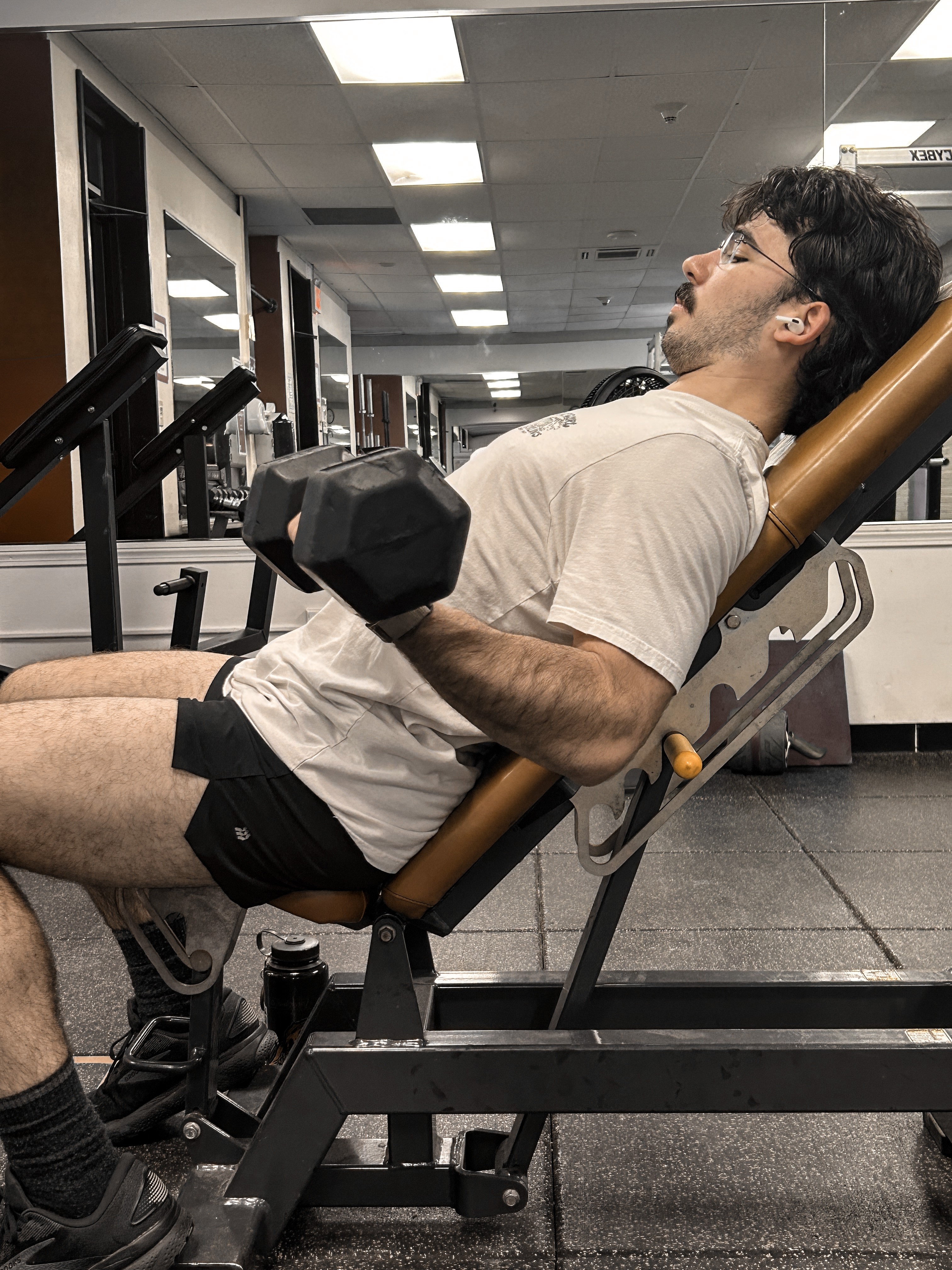

Start With the Right Question: “What Am I Training For?”
Before looking at sets, reps, or weekly splits, define what progress actually means to you. Different goals demand different program structures.
Common primary goals include:
- General health and longevity
- Fat loss or body recomposition
- Muscle growth
- Strength and performance
- Sport-specific conditioning
- Stress relief and mental health
Research consistently shows that programs aligned with a clear goal are more effective and easier to sustain than generic routines.
Trying to train for everything at once often leads to mediocre results across the board. Focus creates clarity.
The Core Elements of Any Good Program
Regardless of style, most effective programs share a few foundational traits.
1. Appropriate Volume and Intensity
A program should challenge you without overwhelming you. Beginners need less volume and lower intensity to make progress, while advanced trainees require more structured loading and recovery. The American College of Sports Medicine emphasizes matching training load to experience level to reduce injury risk and improve adherence.
If a program leaves you exhausted all the time or constantly sore, it’s probably mismatched to your current capacity.
2. Progression Built In
Progress doesn’t happen by accident. Good programs include a clear plan to gradually increase difficulty, whether through weight, reps, sets, intensity, or complexity. This is known as progressive overload, and it’s one of the most well-supported principles in exercise science. If a program doesn’t explain how you’re meant to progress, it’s incomplete.
3. Recovery Is Part of the Plan
Rest days, lighter sessions, and variation across weeks aren’t signs of weakness — they’re essential for adaptation. Strength and fitness improve during recovery, not just during training itself.
Programs that ignore recovery increase the risk of burnout and stagnation, especially over the long term.
Experience Level Matters
- Beginners benefit most from simple, full-body or upper/lower programs that emphasize technique and consistency.
- Intermediate trainees often progress well with structured splits and moderate variation.
- Advanced trainees need more intentional programming, cycling volume and intensity to continue improving.
Starting too advanced is a common mistake — complexity doesn’t equal effectiveness.
Time and Schedule Are Non-Negotiable
The best program on paper fails if it doesn’t fit your life.
A realistic program:
- Matches how many days per week you can actually train
- Allows sessions to be completed within your available time
- Accounts for work, stress, and recovery capacity
Consistency beats perfection. Research shows adherence is one of the strongest predictors of long-term fitness outcomes.
Structure vs. Flexibility
Some people thrive on rigid plans. Others need flexibility to stay engaged.
A strong program balances both:
- Clear structure for progression
- Enough flexibility to adjust intensity based on energy, stress, or minor aches
Auto-regulation tools like Rate of Perceived Exertion (RPE) help programs adapt to real-world variability without losing direction.
Red Flags to Watch For
Be cautious if a program:
- Promises rapid results with extreme volume or intensity
- Ignores rest and recovery
- Lacks progression guidelines
- Is not challenging
Reassessing Over Time
The right program today may not be the right program forever. As goals, experience, or life circumstances change, your training should evolve too.
Periodic check-ins help:
- Re-align goals
- Adjust volume or intensity
- Introduce variation to prevent plateaus
- Keep training mentally engaging
This adaptability is a hallmark of long-term success.
A Note on Competition and Advanced Goals
If your goals involve competition, sport performance, or advanced athletics, a generic program is rarely sufficient. At that point, individual factors like biomechanics, sport demands, fatigue management, and peaking strategies matter. Consulting a qualified athletic coach or strength and conditioning professional is strongly recommended for:
- Powerlifting, Olympic lifting, or physique competition
- Team or endurance sports
- High-performance or return-to-play scenarios
The Takeaway
Finding the right exercise program is about choosing a structure that aligns with your goals, respects your recovery, fits your life, and keeps you coming back. Train with intention. Progress with patience. And remember: the best program is the one you can sustain long enough to let results compound.
Sources & Resources


Finding the Right Exercise Program
With so many programs available, from minimalist strength plans to high-intensity classes and sport-specific routines, it’s easy to feel overwhelmed. The truth is, there’s no single “best” exercise program. The right one is the program that fits your goals, your schedule, your experience level, and your ability to stay consistent.
Technique Tips
Beginner
Start With the Right Question: “What Am I Training For?”
Before looking at sets, reps, or weekly splits, define what progress actually means to you. Different goals demand different program structures.
Common primary goals include:
- General health and longevity
- Fat loss or body recomposition
- Muscle growth
- Strength and performance
- Sport-specific conditioning
- Stress relief and mental health
Research consistently shows that programs aligned with a clear goal are more effective and easier to sustain than generic routines.
Trying to train for everything at once often leads to mediocre results across the board. Focus creates clarity.
The Core Elements of Any Good Program
Regardless of style, most effective programs share a few foundational traits.
1. Appropriate Volume and Intensity
A program should challenge you without overwhelming you. Beginners need less volume and lower intensity to make progress, while advanced trainees require more structured loading and recovery. The American College of Sports Medicine emphasizes matching training load to experience level to reduce injury risk and improve adherence.
If a program leaves you exhausted all the time or constantly sore, it’s probably mismatched to your current capacity.
2. Progression Built In
Progress doesn’t happen by accident. Good programs include a clear plan to gradually increase difficulty, whether through weight, reps, sets, intensity, or complexity. This is known as progressive overload, and it’s one of the most well-supported principles in exercise science. If a program doesn’t explain how you’re meant to progress, it’s incomplete.
3. Recovery Is Part of the Plan
Rest days, lighter sessions, and variation across weeks aren’t signs of weakness — they’re essential for adaptation. Strength and fitness improve during recovery, not just during training itself.
Programs that ignore recovery increase the risk of burnout and stagnation, especially over the long term.
Experience Level Matters
- Beginners benefit most from simple, full-body or upper/lower programs that emphasize technique and consistency.
- Intermediate trainees often progress well with structured splits and moderate variation.
- Advanced trainees need more intentional programming, cycling volume and intensity to continue improving.
Starting too advanced is a common mistake — complexity doesn’t equal effectiveness.
Time and Schedule Are Non-Negotiable
The best program on paper fails if it doesn’t fit your life.
A realistic program:
- Matches how many days per week you can actually train
- Allows sessions to be completed within your available time
- Accounts for work, stress, and recovery capacity
Consistency beats perfection. Research shows adherence is one of the strongest predictors of long-term fitness outcomes.
Structure vs. Flexibility
Some people thrive on rigid plans. Others need flexibility to stay engaged.
A strong program balances both:
- Clear structure for progression
- Enough flexibility to adjust intensity based on energy, stress, or minor aches
Auto-regulation tools like Rate of Perceived Exertion (RPE) help programs adapt to real-world variability without losing direction.
Red Flags to Watch For
Be cautious if a program:
- Promises rapid results with extreme volume or intensity
- Ignores rest and recovery
- Lacks progression guidelines
- Is not challenging
Reassessing Over Time
The right program today may not be the right program forever. As goals, experience, or life circumstances change, your training should evolve too.
Periodic check-ins help:
- Re-align goals
- Adjust volume or intensity
- Introduce variation to prevent plateaus
- Keep training mentally engaging
This adaptability is a hallmark of long-term success.
A Note on Competition and Advanced Goals
If your goals involve competition, sport performance, or advanced athletics, a generic program is rarely sufficient. At that point, individual factors like biomechanics, sport demands, fatigue management, and peaking strategies matter. Consulting a qualified athletic coach or strength and conditioning professional is strongly recommended for:
- Powerlifting, Olympic lifting, or physique competition
- Team or endurance sports
- High-performance or return-to-play scenarios
The Takeaway
Finding the right exercise program is about choosing a structure that aligns with your goals, respects your recovery, fits your life, and keeps you coming back. Train with intention. Progress with patience. And remember: the best program is the one you can sustain long enough to let results compound.
Sources & Resources

Finding the Right Exercise Program
With so many programs available, from minimalist strength plans to high-intensity classes and sport-specific routines, it’s easy to feel overwhelmed. The truth is, there’s no single “best” exercise program. The right one is the program that fits your goals, your schedule, your experience level, and your ability to stay consistent.
Technique Tips
Beginner
Start With the Right Question: “What Am I Training For?”
Before looking at sets, reps, or weekly splits, define what progress actually means to you. Different goals demand different program structures.
Common primary goals include:
- General health and longevity
- Fat loss or body recomposition
- Muscle growth
- Strength and performance
- Sport-specific conditioning
- Stress relief and mental health
Research consistently shows that programs aligned with a clear goal are more effective and easier to sustain than generic routines.
Trying to train for everything at once often leads to mediocre results across the board. Focus creates clarity.
The Core Elements of Any Good Program
Regardless of style, most effective programs share a few foundational traits.
1. Appropriate Volume and Intensity
A program should challenge you without overwhelming you. Beginners need less volume and lower intensity to make progress, while advanced trainees require more structured loading and recovery. The American College of Sports Medicine emphasizes matching training load to experience level to reduce injury risk and improve adherence.
If a program leaves you exhausted all the time or constantly sore, it’s probably mismatched to your current capacity.
2. Progression Built In
Progress doesn’t happen by accident. Good programs include a clear plan to gradually increase difficulty, whether through weight, reps, sets, intensity, or complexity. This is known as progressive overload, and it’s one of the most well-supported principles in exercise science. If a program doesn’t explain how you’re meant to progress, it’s incomplete.
3. Recovery Is Part of the Plan
Rest days, lighter sessions, and variation across weeks aren’t signs of weakness — they’re essential for adaptation. Strength and fitness improve during recovery, not just during training itself.
Programs that ignore recovery increase the risk of burnout and stagnation, especially over the long term.
Experience Level Matters
- Beginners benefit most from simple, full-body or upper/lower programs that emphasize technique and consistency.
- Intermediate trainees often progress well with structured splits and moderate variation.
- Advanced trainees need more intentional programming, cycling volume and intensity to continue improving.
Starting too advanced is a common mistake — complexity doesn’t equal effectiveness.
Time and Schedule Are Non-Negotiable
The best program on paper fails if it doesn’t fit your life.
A realistic program:
- Matches how many days per week you can actually train
- Allows sessions to be completed within your available time
- Accounts for work, stress, and recovery capacity
Consistency beats perfection. Research shows adherence is one of the strongest predictors of long-term fitness outcomes.
Structure vs. Flexibility
Some people thrive on rigid plans. Others need flexibility to stay engaged.
A strong program balances both:
- Clear structure for progression
- Enough flexibility to adjust intensity based on energy, stress, or minor aches
Auto-regulation tools like Rate of Perceived Exertion (RPE) help programs adapt to real-world variability without losing direction.
Red Flags to Watch For
Be cautious if a program:
- Promises rapid results with extreme volume or intensity
- Ignores rest and recovery
- Lacks progression guidelines
- Is not challenging
Reassessing Over Time
The right program today may not be the right program forever. As goals, experience, or life circumstances change, your training should evolve too.
Periodic check-ins help:
- Re-align goals
- Adjust volume or intensity
- Introduce variation to prevent plateaus
- Keep training mentally engaging
This adaptability is a hallmark of long-term success.
A Note on Competition and Advanced Goals
If your goals involve competition, sport performance, or advanced athletics, a generic program is rarely sufficient. At that point, individual factors like biomechanics, sport demands, fatigue management, and peaking strategies matter. Consulting a qualified athletic coach or strength and conditioning professional is strongly recommended for:
- Powerlifting, Olympic lifting, or physique competition
- Team or endurance sports
- High-performance or return-to-play scenarios
The Takeaway
Finding the right exercise program is about choosing a structure that aligns with your goals, respects your recovery, fits your life, and keeps you coming back. Train with intention. Progress with patience. And remember: the best program is the one you can sustain long enough to let results compound.
Sources & Resources

Finding the Right Exercise Program
With so many programs available, from minimalist strength plans to high-intensity classes and sport-specific routines, it’s easy to feel overwhelmed. The truth is, there’s no single “best” exercise program. The right one is the program that fits your goals, your schedule, your experience level, and your ability to stay consistent.
Technique Tips
Beginner
Start With the Right Question: “What Am I Training For?”
Before looking at sets, reps, or weekly splits, define what progress actually means to you. Different goals demand different program structures.
Common primary goals include:
- General health and longevity
- Fat loss or body recomposition
- Muscle growth
- Strength and performance
- Sport-specific conditioning
- Stress relief and mental health
Research consistently shows that programs aligned with a clear goal are more effective and easier to sustain than generic routines.
Trying to train for everything at once often leads to mediocre results across the board. Focus creates clarity.
The Core Elements of Any Good Program
Regardless of style, most effective programs share a few foundational traits.
1. Appropriate Volume and Intensity
A program should challenge you without overwhelming you. Beginners need less volume and lower intensity to make progress, while advanced trainees require more structured loading and recovery. The American College of Sports Medicine emphasizes matching training load to experience level to reduce injury risk and improve adherence.
If a program leaves you exhausted all the time or constantly sore, it’s probably mismatched to your current capacity.
2. Progression Built In
Progress doesn’t happen by accident. Good programs include a clear plan to gradually increase difficulty, whether through weight, reps, sets, intensity, or complexity. This is known as progressive overload, and it’s one of the most well-supported principles in exercise science. If a program doesn’t explain how you’re meant to progress, it’s incomplete.
3. Recovery Is Part of the Plan
Rest days, lighter sessions, and variation across weeks aren’t signs of weakness — they’re essential for adaptation. Strength and fitness improve during recovery, not just during training itself.
Programs that ignore recovery increase the risk of burnout and stagnation, especially over the long term.
Experience Level Matters
- Beginners benefit most from simple, full-body or upper/lower programs that emphasize technique and consistency.
- Intermediate trainees often progress well with structured splits and moderate variation.
- Advanced trainees need more intentional programming, cycling volume and intensity to continue improving.
Starting too advanced is a common mistake — complexity doesn’t equal effectiveness.
Time and Schedule Are Non-Negotiable
The best program on paper fails if it doesn’t fit your life.
A realistic program:
- Matches how many days per week you can actually train
- Allows sessions to be completed within your available time
- Accounts for work, stress, and recovery capacity
Consistency beats perfection. Research shows adherence is one of the strongest predictors of long-term fitness outcomes.
Structure vs. Flexibility
Some people thrive on rigid plans. Others need flexibility to stay engaged.
A strong program balances both:
- Clear structure for progression
- Enough flexibility to adjust intensity based on energy, stress, or minor aches
Auto-regulation tools like Rate of Perceived Exertion (RPE) help programs adapt to real-world variability without losing direction.
Red Flags to Watch For
Be cautious if a program:
- Promises rapid results with extreme volume or intensity
- Ignores rest and recovery
- Lacks progression guidelines
- Is not challenging
Reassessing Over Time
The right program today may not be the right program forever. As goals, experience, or life circumstances change, your training should evolve too.
Periodic check-ins help:
- Re-align goals
- Adjust volume or intensity
- Introduce variation to prevent plateaus
- Keep training mentally engaging
This adaptability is a hallmark of long-term success.
A Note on Competition and Advanced Goals
If your goals involve competition, sport performance, or advanced athletics, a generic program is rarely sufficient. At that point, individual factors like biomechanics, sport demands, fatigue management, and peaking strategies matter. Consulting a qualified athletic coach or strength and conditioning professional is strongly recommended for:
- Powerlifting, Olympic lifting, or physique competition
- Team or endurance sports
- High-performance or return-to-play scenarios
The Takeaway
Finding the right exercise program is about choosing a structure that aligns with your goals, respects your recovery, fits your life, and keeps you coming back. Train with intention. Progress with patience. And remember: the best program is the one you can sustain long enough to let results compound.
Sources & Resources